Many Orlando homeowners notice a damp, sticky feeling indoors even when the air conditioner is running all day. The cause is not always a failing system. In many cases, the AC fan setting humidity connection is easy to overlook, and a single switch on the thermostat can change how much moisture stays in your home.
The choice between AC fan auto vs. on affects how the system handles the water it removes from your air. This guide explains how each setting works, when the wrong one can raise indoor humidity, and how regular air conditioner maintenance helps keep moisture under control. One Way Air, an air conditioning company serving Orlando and other Florida regions, sees these questions often, so the explanations below stay practical and specific to the local climate. If you need professional Orlando air conditioning service, a qualified technician can help identify humidity issues and ensure your system operates effectively.
Why the AC Fan Setting Matters for Humidity in Orlando
Central Florida has long, warm summers with high outdoor moisture levels. Your air conditioner does two jobs at once. It lowers the air temperature, and it removes water vapor from the air. Most people focus on the first job, but the second one is what makes a home feel comfortable.
A thermostat usually offers two fan modes: Auto and On. The difference seems minor, yet it changes whether moisture that has been pulled from the air has time to drain away or gets pushed back into your rooms. In a climate where the air is already heavy with moisture, that difference is noticeable.
How an Air Conditioner Removes Moisture
Understanding the process makes the fan question much easier to answer.
The Role of the Evaporator Coil
Warm indoor air passes over the evaporator coil, which is filled with cold refrigerant. Water vapor in the air condenses on the cold coil surface, much like water forming on the outside of a cold glass. The water drips into a drain pan and flows out through a condensate drain line.
Where the Blower Fan Fits In
The blower fan moves air across that coil and pushes the cooled, drier air through the ducts. During a cooling cycle, this works as intended. Air moves, moisture condenses, and water drains away.
The problem begins when the cooling cycle stops. The coil is still wet, and what the fan does next depends on the setting you chose.
AC Fan Auto vs On: What Happens With Each Setting
What the Auto Setting Does
In Auto mode, the blower runs only while the system is actively cooling. When the thermostat reaches your target temperature, the compressor and the fan shut off together. The remaining water on the coil drips into the drain pan and leaves the house through the drain line.
For most Orlando homes, this is the better default. The system removes moisture during cooling and does not circulate air over a wet coil when no cooling is taking place.
What the On Setting Does
In On mode, the blower runs continuously, even when the compressor is off. After a cooling cycle ends, the fan keeps pushing air across a coil that is still holding water. Some of that water can evaporate back into the airstream and return to the living space as humidity.
This effect is most noticeable in humid regions. Because the air inside an Orlando home is already moisture-rich for much of the year, continuous fan operation can leave rooms feeling clammy. Running the fan around the clock may also increase electricity use, and it can wear on the blower motor over a long period.
There are situations where the On setting has value, such as improving air mixing between rooms or distributing filtered air more evenly. In a humid climate, though, it usually needs a closer look before it becomes a permanent choice.
What Indoor Humidity Level Should You Aim For?
Most guidance for homes suggests keeping indoor relative humidity between 30 and 50 percent, and staying below 60 percent is generally considered the upper limit for comfort and moisture control. Higher levels can encourage mold growth, musty odors, and dust mites. Orlando homeowners often struggle to stay within that range during the summer months. A deeper explanation of target ranges is available in this guide to the ideal indoor humidity level in Florida, which can help you decide what number to aim for in your own home.
An inexpensive hygrometer, which is a small device that measures humidity, gives you a reliable reading. Check it in a few rooms at different times of day. If readings stay above 55 or 60 percent while the AC runs, the fan setting may be only one part of the picture.
AC Fan Auto vs On: Quick Comparison Table
| Factor | Fan on Auto | Fan on On |
|---|---|---|
| Fan operation | Runs only during cooling cycles | Runs continuously |
| Moisture on the coil | Drains away after the cycle ends | Can re-evaporate into indoor air |
| Effect on indoor humidity | Generally lower in humid climates | Can raise humidity between cycles |
| Energy use | Lower, since the fan runs less | Higher, since the fan runs all day |
| Air mixing between rooms | Only while cooling | Constant, which may even out temperatures |
| Best use in Orlando | Default setting for most homes | Short-term use only, if humidity stays controlled |
Signs the Fan Setting Is Raising Your Humidity
If you are unsure whether your fan mode is contributing, watch for these patterns:
- The house feels cool but still damp or sticky
- Humidity readings climb shortly after the AC cycle ends
- You notice a musty smell near vents or in closets
- Windows show condensation on the inside
- Cold air from the vents feels weak or clammy during the day
Switching to Auto for a few days and tracking the humidity reading is a simple test. If the numbers improve, the fan mode was part of the issue.
Other Reasons Humidity Stays High With the AC Running
The fan setting is one possible cause, but it is not the only one. Several other conditions can leave a home feeling humid even when the thermostat is set correctly.
An Oversized or Short-Cycling System
An air conditioner that is too large for the home cools the air quickly and shuts off before it has removed much moisture. This is called short cycling. The house reaches the right temperature but remains humid because the coil never ran long enough to condense water vapor effectively.
Dirty Filters and Coils
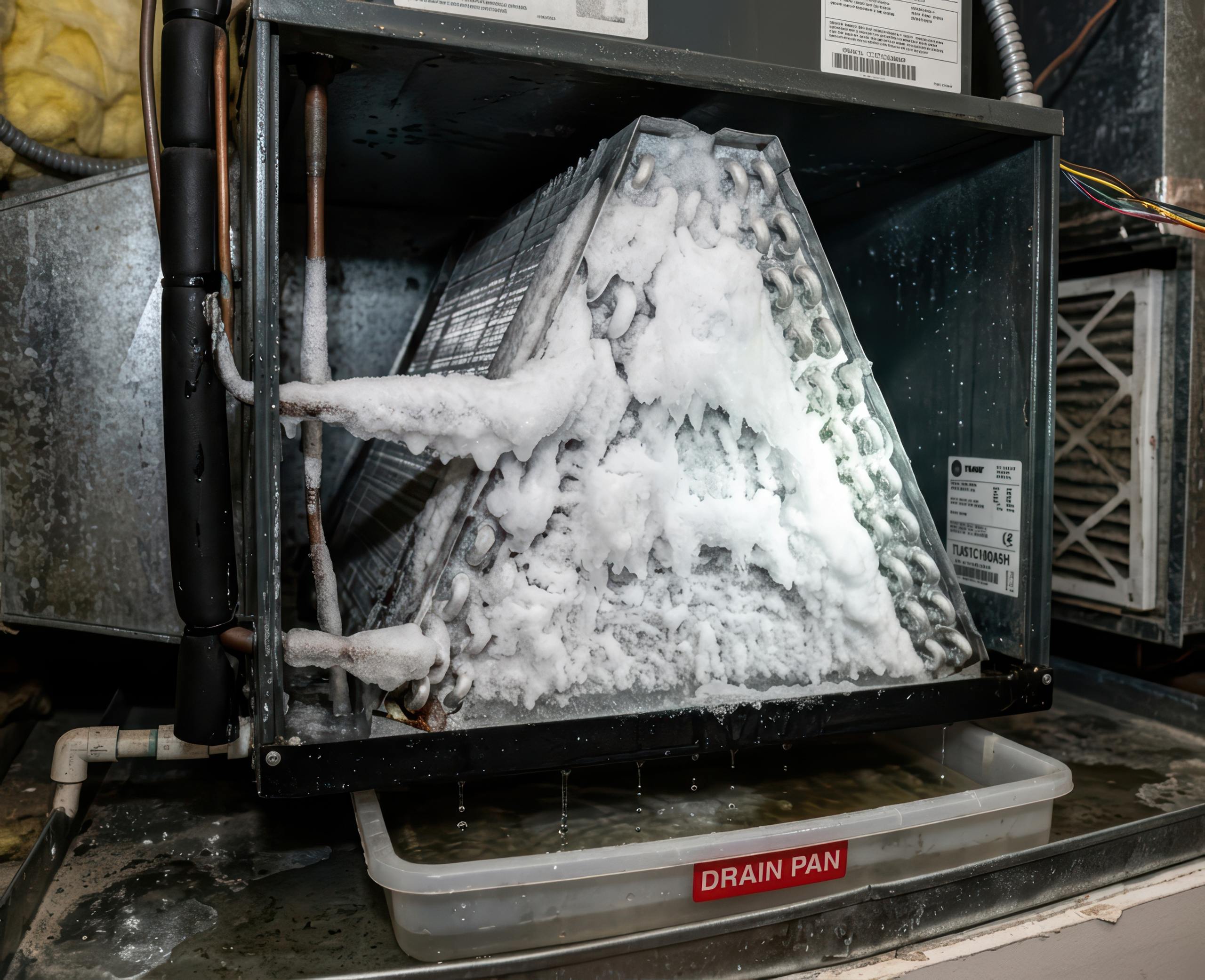
A clogged air filter restricts airflow, and a dirty evaporator coil cannot transfer heat or condense moisture efficiently. Both reduce the system’s ability to dehumidify. In some cases, restricted airflow can also cause the coil to freeze, which creates further moisture problems when the ice melts.
A Clogged Condensate Drain Line
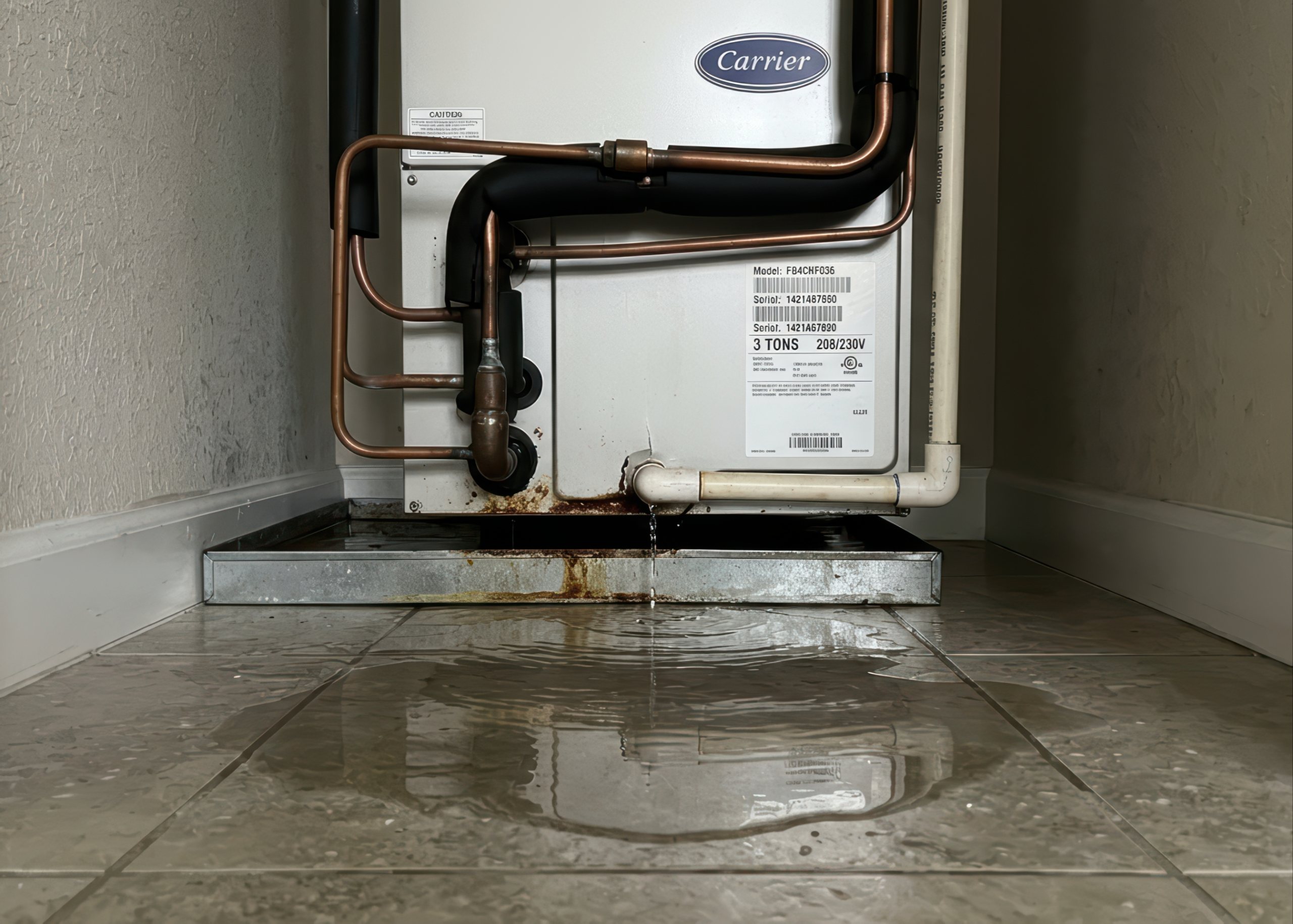
If the drain line is blocked by algae or debris, water backs up in the pan. Standing water raises humidity near the air handler and can overflow into walls, ceilings, or floors.
Leaky Ducts
Ductwork in an attic or crawl space that is not sealed properly can pull in humid air from outside the conditioned space. That air then travels straight to your rooms, regardless of the fan setting.
How Air Conditioner Maintenance Supports Better Humidity Control
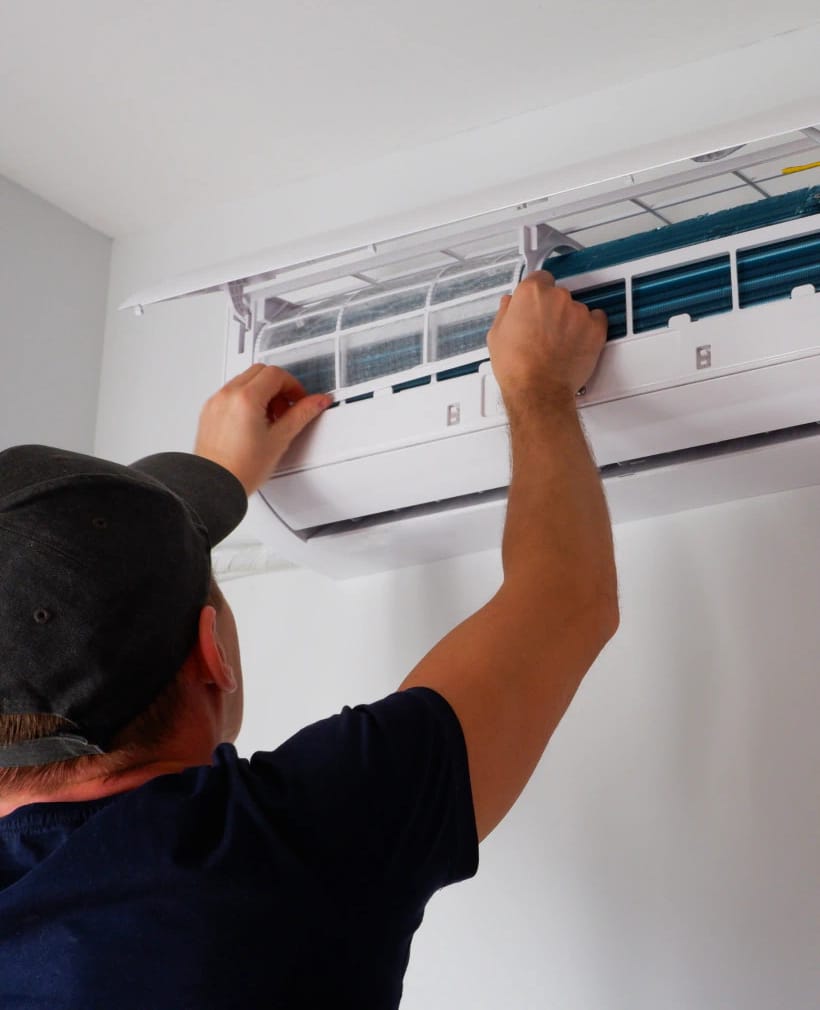
Routine air conditioner maintenance addresses many of the causes listed above. A scheduled visit generally includes cleaning or checking the coils, inspecting the drain line, testing airflow, and confirming that the system cycles properly. Consistent AC system maintenance is one of the most practical ways to protect both comfort and equipment life in a humid climate.
Between visits, there are a few habits that help:
- Replace or clean the air filter on the schedule recommended for your system, often every one to three months in Florida.
- Keep the area around the indoor unit clear so air can move freely.
- Keep outdoor equipment free of leaves, grass clippings, and debris.
- Watch for water around the air handler or a drain pan that does not empty.
- Record humidity readings so you can spot changes early.
If your system has been running for years without a check, it helps to know the warning signs of wear. This overview of the signs you need an AC tune-up lists common symptoms, such as weak airflow, unusual noises, and rising energy bills, that suggest it is time for a professional inspection.
When to Call a Professional
Adjusting the thermostat is a safe homeowner task, but some humidity problems point to a mechanical issue that needs a trained technician. Consider scheduling an inspection if:
- Humidity stays high after switching the fan to Auto
- You see water near the indoor unit or ceiling stains
- The AC runs for short bursts and then shuts off repeatedly
- There is visible mold or a persistent musty smell
- Your system is more than ten years old and struggles to keep up
A technician can measure airflow, check the coil and drain line, evaluate whether the system size fits the home, and recommend options such as a whole-home dehumidifier or a variable-speed system when appropriate. One Way Air provides air conditioner repairs, installations, and maintenance, along with 24/7 emergency service, so homeowners have a local team to evaluate these concerns.
Final Thoughts
The wrong thermostat fan mode can raise indoor moisture, and the AC fan auto vs. on choice matters more in a humid city like Orlando than many homeowners expect. Auto is generally the safer setting because it allows water to drain after each cycle, while the On setting can return moisture to the air between cycles.
If humidity remains high after you adjust the fan, the cause may sit deeper in the system, such as short cycling, a dirty coil, a blocked drain line, or leaking ducts. Regular maintenance and a few simple checks at home go a long way toward a drier, more comfortable house.
If you have ongoing humidity concerns, contact One Way Air to discuss a professional inspection or maintenance visit.
Frequently Asked Questions
For most Florida homes, Auto is the better choice. It lets moisture drain from the evaporator coil after each cooling cycle instead of blowing it back into the home. The On setting may suit a home with very stable humidity, but it should be tested carefully with a hygrometer.
It can. When the compressor is off and the fan keeps running, air passes over a wet coil and may carry moisture back into the rooms. The effect depends on the system, the climate, and how often the unit cycles.
Often you can see a shift within a day or two. Switching to Auto and checking readings at the same times each day gives you a clear comparison.
Usually it does the opposite. A fan that runs all day uses more electricity than one that runs only during cooling, so the small comfort benefit may not offset the added cost.
Many HVAC professionals recommend at least one inspection per year, and some homeowners choose two visits because Florida systems run for much of the year. The right schedule depends on the age and condition of your equipment.
Yes. A clogged filter reduces airflow across the coil, which lowers moisture removal and can lead to freezing. Regular filter changes are a simple part of AC system maintenance.
A dehumidifier can help in some homes, but first confirm that the AC is sized correctly, the coil and drain line are clean, and the ducts are sealed. A technician can advise whether extra dehumidification makes sense.