Florida summers put heavy demands on cooling equipment. Temperatures climb, humidity stays high, and most homes run their systems for many hours every day. Regular air conditioner maintenance is one of the most practical ways to prepare a system for that workload. An AC tune-up is a scheduled inspection and cleaning visit that checks the parts of your system that wear down, collect dirt, or drift out of adjustment over time.
Many homeowners know they should schedule a tune-up but are not sure what actually happens during the visit. This guide explains what a thorough AC tune-up includes, why each step matters in a humid climate, how often to schedule one, and what you can do between visits. The goal is to help you understand the process so you can ask better questions and make informed decisions about your own system.
Why Air Conditioner Maintenance Matters in Florida
In cooler regions, an air conditioner may run only a few months a year. In Florida, many systems operate for most of the year and work hardest from late spring through early fall. That extended run time adds wear to motors, capacitors, contactors, and the refrigerant circuit.
Humidity adds another layer. Warm, moist air creates condensation on the evaporator coil, and that moisture drains through a condensate line. Dust, algae, and debris can partially block that line, which may lead to water leaks or shutoffs. Outdoor units also deal with pollen, leaves, lawn clippings, and salt air in coastal areas, all of which can affect airflow and heat transfer.
Routine air conditioner maintenance helps catch these issues early. A small problem, such as a weak capacitor or a dirty coil, is usually easier and less costly to address than a failure in the middle of a heat wave.
What an AC Tune-Up Includes: The Core Checklist
An AC maintenance checklist can vary slightly between companies and system types, but most professional tune-ups cover the same main areas. Below is a breakdown of what a technician typically reviews.
Thermostat Calibration and Settings
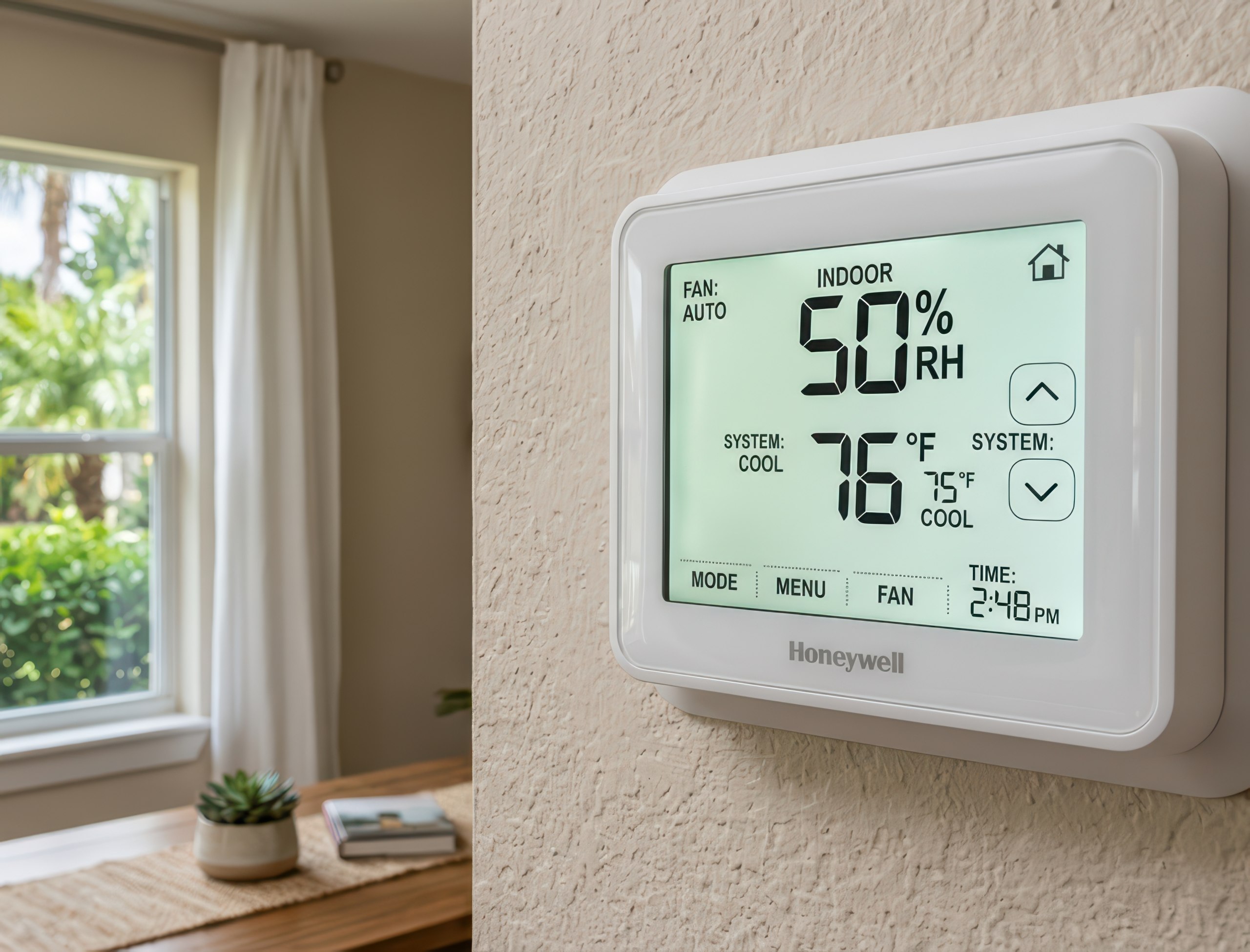
The technician confirms that the thermostat reads the room temperature accurately and that it communicates properly with the indoor and outdoor units. They also check programmed schedules and fan settings. A thermostat that is slightly off can cause short cycling, uneven temperatures, or longer run times than necessary.
Air Filter Inspection and Replacement
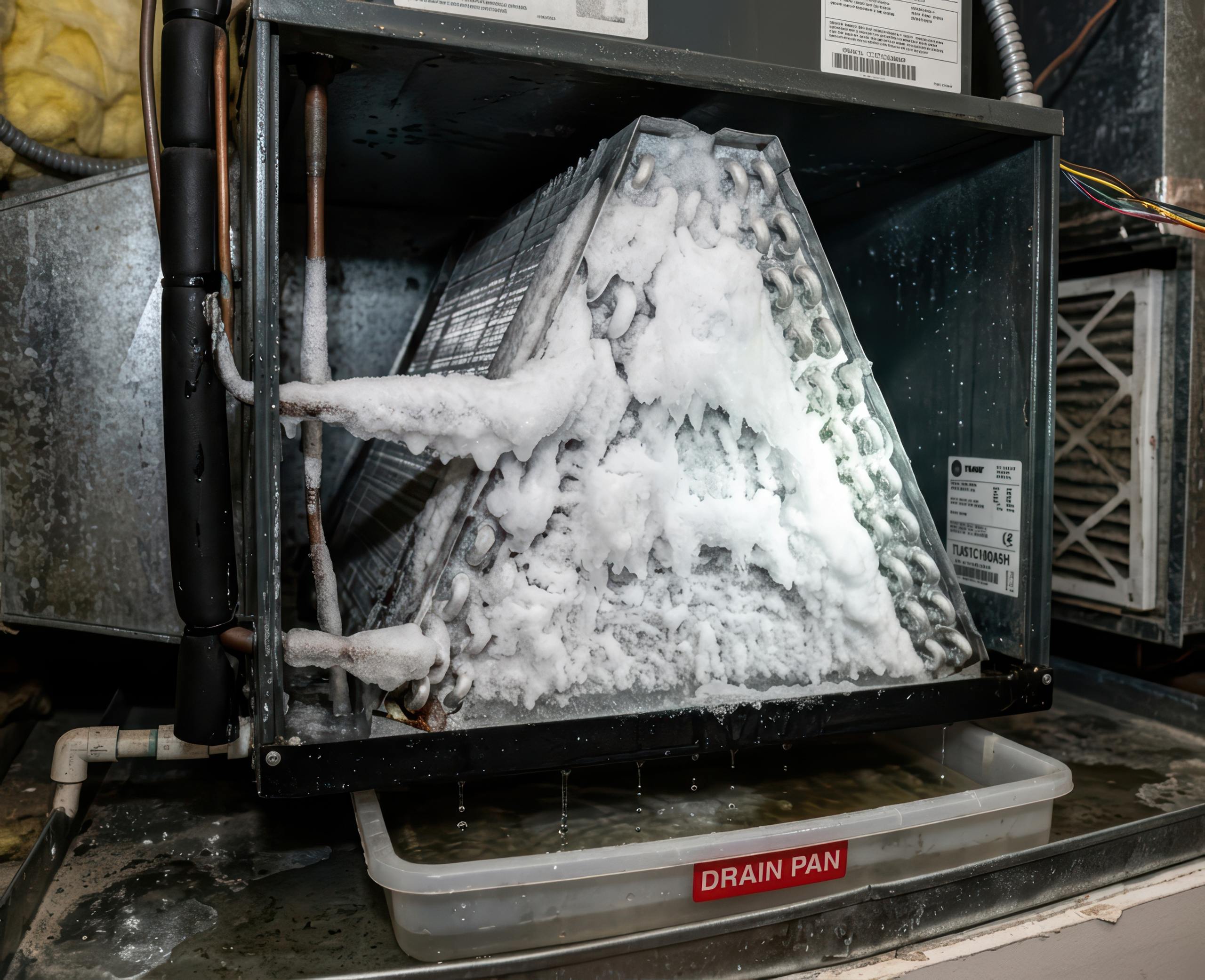
The air filter is the simplest component to check, and it has a large effect on performance. A clogged filter restricts airflow, forces the blower to work harder, and can contribute to a frozen evaporator coil. During a tune-up, the technician inspects the filter, replaces it if needed, and may recommend a filter type that suits your home and equipment.
Evaporator Coil Cleaning
The evaporator coil sits inside the air handler and absorbs heat from indoor air. When dust and biological growth build up on the coil, heat transfer drops and humidity control suffers. A technician inspects the coil and cleans it if buildup is present.
Condenser Coil Cleaning
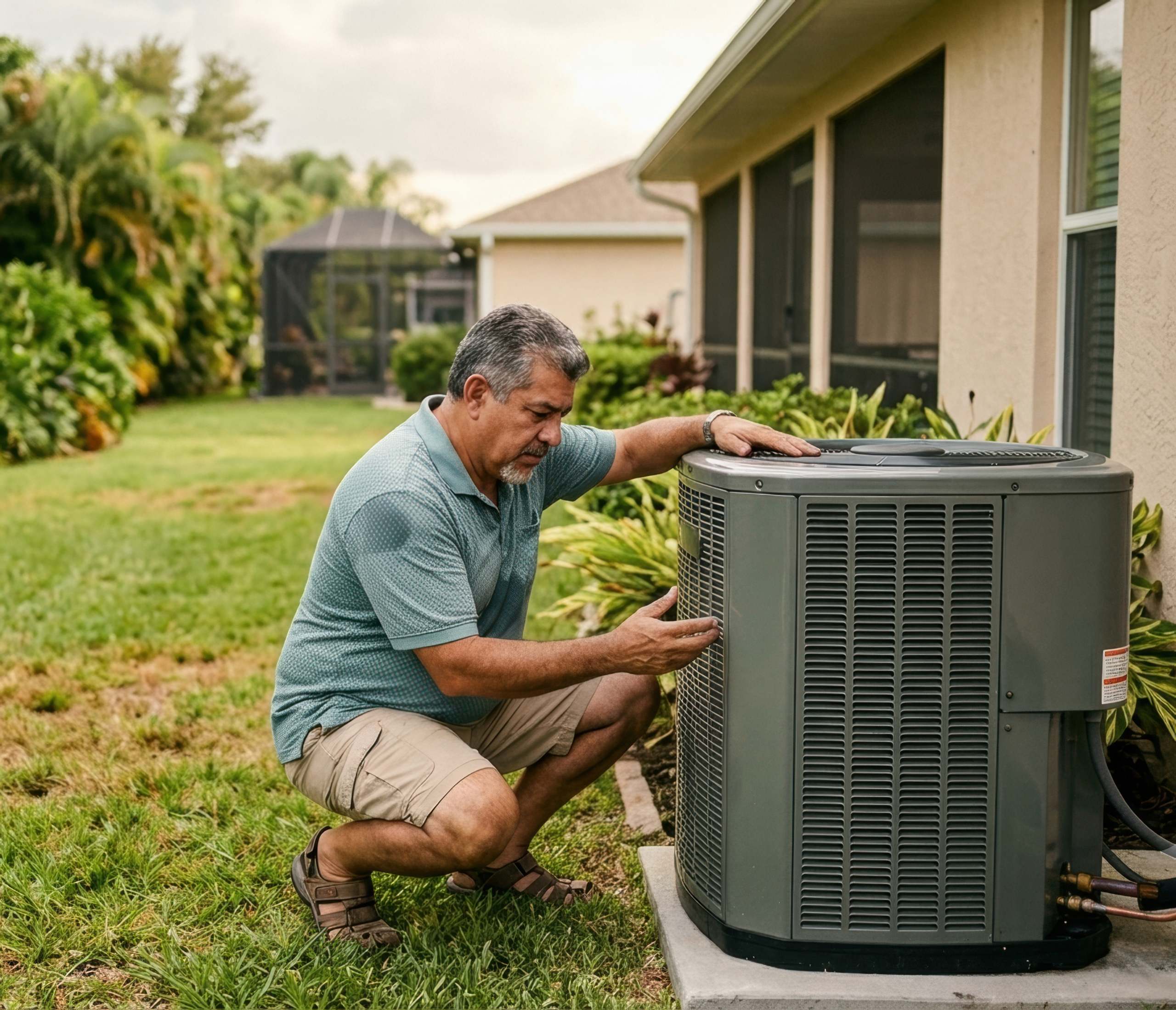
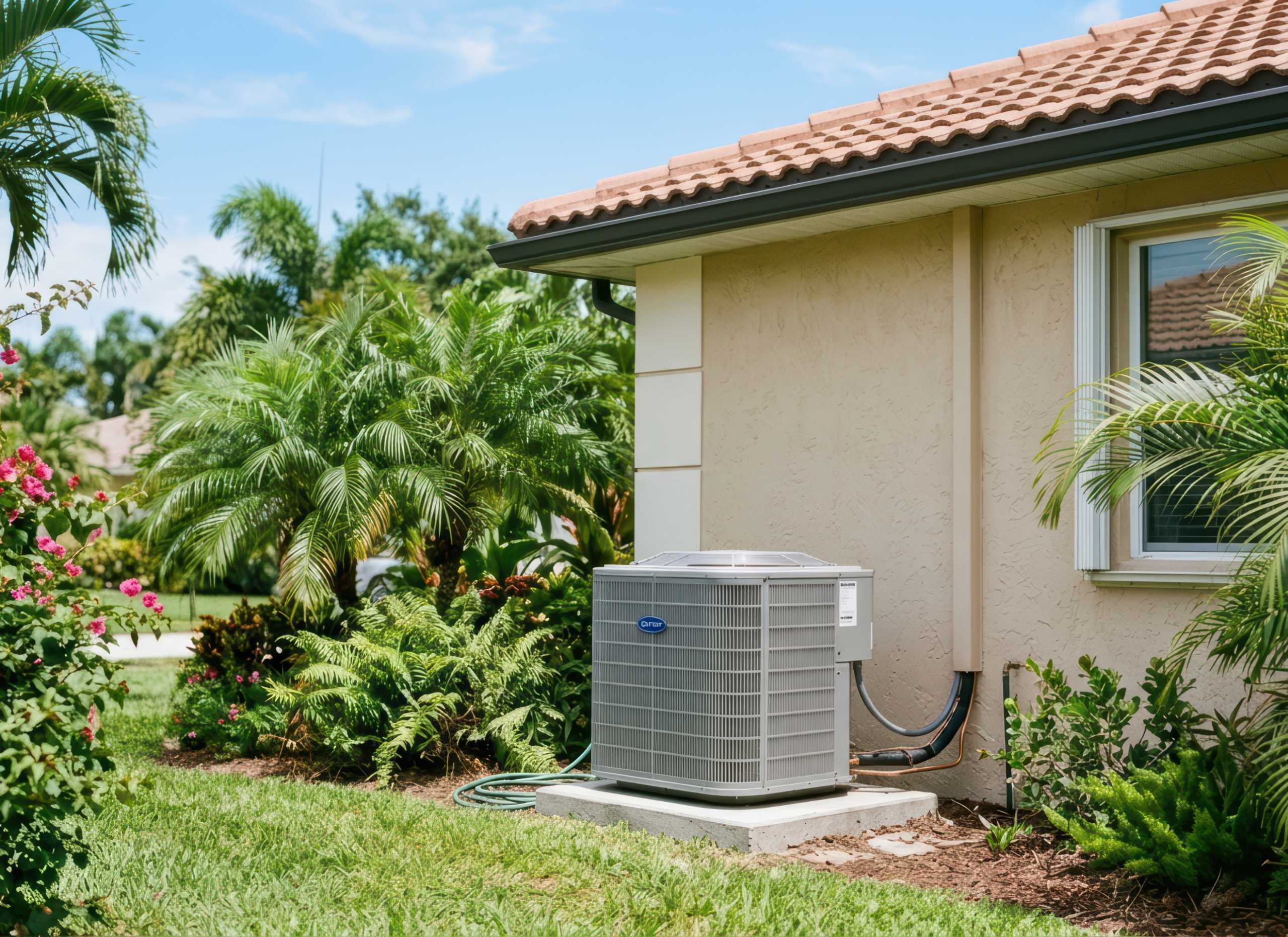
The condenser coil is in the outdoor unit and releases the heat collected from inside your home. Dirt, pollen, and yard debris reduce its ability to shed heat. A tune-up usually includes a visual check and a cleaning to restore airflow across the coil fins.
Electrical Connections and Components
Loose or corroded wiring is a common cause of system faults. The technician tightens connections and inspects the contactor, capacitors, relays, and disconnect. They often measure voltage and amp draw on the compressor and motors to see whether components are operating within the manufacturer’s range. Capacitors in particular weaken over time, and testing them before summer can prevent a no-start situation.
Refrigerant Level and Pressure Check
Air conditioners use a sealed refrigerant circuit, so refrigerant is not consumed like fuel. If pressures or temperature readings suggest the charge is low, that usually points to a leak that should be located and repaired rather than simply topped off. A technician measures system pressures and temperature differences to judge whether the circuit is operating correctly.
Condensate Drain Line and Pan
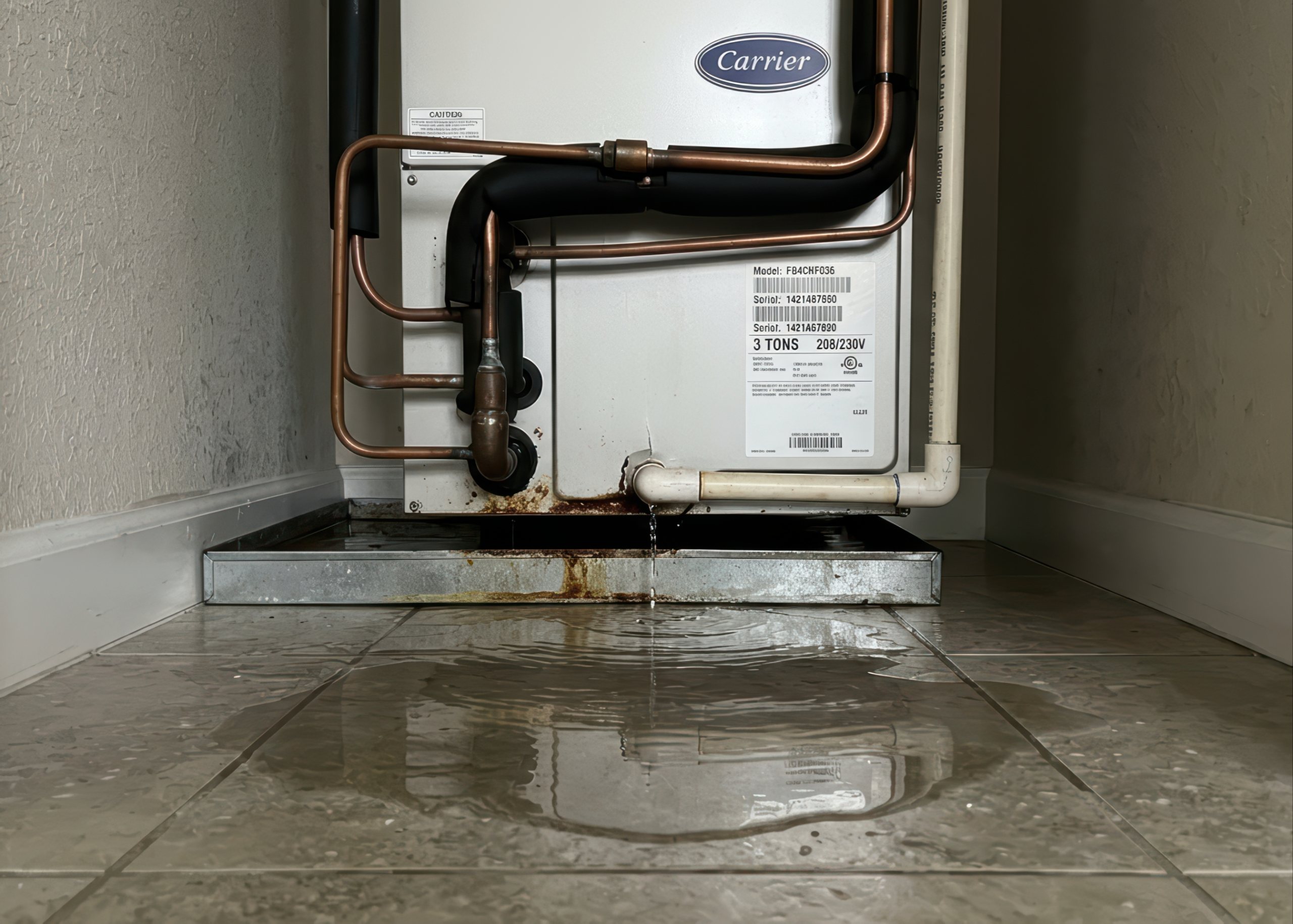
In Florida, a clogged condensate line is one of the more common causes of water damage near the air handler. The technician checks that the line drains freely, clears blockages when needed, and inspects the drain pan for rust, cracks, or standing water. Some systems also have a float switch that shuts the unit off if water backs up, and that safety device should be tested.
Blower Motor and Fan Inspection
The indoor blower and the outdoor condenser fan motor both need to spin freely and run smoothly. The technician checks for worn bearings, vibration, and debris on the blades. They may lubricate motors that have oil ports, since friction increases energy use and shortens motor life.
Ductwork and Airflow Observations
A tune-up is not a full duct inspection, but the technician usually looks at accessible ductwork for visible leaks, loose joints, or damaged insulation. They may also check supply and return airflow, and measure the temperature difference across the coil to confirm the system is cooling as expected.
Safety Controls and System Startup Test
Finally, the technician runs the system through a complete cooling cycle. They confirm that safety controls respond correctly, listen for unusual noises, and check that the unit starts, runs, and shuts down as designed. A written summary of findings and recommendations is a normal part of a thorough visit.
How to Tell When a Tune-Up Is Due
Some systems give clear warning signs before maintenance becomes urgent. Weak airflow, uneven cooling between rooms, rising electric bills, strange noises, and persistent humidity indoors are all reasons to schedule a visit sooner rather than later. If you notice several of these at once, reviewing the signs you need an AC tune-up can help you decide whether the problem is routine maintenance or something that needs a repair diagnosis.
AC Tune-Up Checklist at a Glance
The table below summarizes the main steps in a typical AC maintenance service, what the technician does at each step, and why it matters for Florida homes.
| Maintenance Step | What the Technician Does | Why It Matters in Florida |
|---|---|---|
| Thermostat check | Verifies accuracy, schedules, and communication with the system | Prevents short cycling and uneven comfort |
| Air filter | Inspects and replaces if dirty | Protects airflow and the evaporator coil |
| Evaporator coil | Inspects and cleans buildup | Supports cooling and humidity removal |
| Condenser coil | Checks and cleans outdoor coil fins | Helps the unit shed heat during long run times |
| Electrical parts | Tightens connections, tests capacitors and contactors | Reduces risk of no-start failures in peak heat |
| Refrigerant circuit | Measures pressures and temperature split | Identifies possible leaks and charge problems |
| Condensate drain | Clears the line and inspects the pan and float switch | Helps prevent water leaks and overflow shutoffs |
| Motors and fans | Inspects, lubricates if applicable, checks amp draw | Extends motor life and lowers energy use |
| Ducts and airflow | Looks for visible leaks and checks airflow | Prevents wasted cooled air |
| System test | Runs a full cooling cycle and checks safety controls | Confirms the system is ready for daily use |
How Often Should You Schedule Air Conditioner Maintenance?
Most manufacturers and HVAC professionals recommend professional air conditioner maintenance at least once a year. In Florida, the best time is before the hottest months begin, typically in early spring. Scheduling ahead of the busy season also gives you more flexibility with appointment times and leaves room to address any findings before temperatures peak.
Some homes benefit from more frequent attention. Households with pets, allergy concerns, or nearby construction may see faster dust buildup. Homes near the coast may need extra attention to the outdoor unit because salt air can speed up corrosion. Systems that run nearly year-round, which is common in southern parts of the state, can also justify a second visit in the fall.
One component that often raises questions is the coil. Because coil condition affects both efficiency and humidity control, many homeowners ask how often to clean AC coils. The answer depends on your environment, filter habits, and system age, and a technician can tell you what makes sense after seeing the coil in person.
What You Can Do Between Professional Visits
A professional tune-up is only part of good air conditioner maintenance. A few simple habits help the system run well in between visits.
Check and Replace Filters on Schedule
Many homes need a new filter every one to three months, depending on filter type, pets, and household size. Check the filter monthly during summer and replace it when it looks gray or clogged.
Keep the Outdoor Unit Clear
Leave about two feet of open space around the condenser. Trim shrubs, remove leaves and grass clippings, and avoid stacking items against the unit. Do not spray high-pressure water at the fins, since that can bend them.
Watch the Condensate Line
If you see water near the air handler or a musty smell, the drain line may be partially blocked. Do not ignore it, since small leaks can damage ceilings and flooring.
Use the Thermostat Wisely
Setting the thermostat to a steady, comfortable temperature usually works better than large swings. Drastic changes can make the system run for long stretches to catch up, which adds stress during peak heat.
Pay Attention to Changes
Unusual sounds, new odors, longer cooling cycles, or higher bills are all useful signals. Noting when they started helps a technician diagnose the cause faster.
What to Expect From an AC Maintenance Service
A professional visit generally takes about an hour, though time varies with system type and condition. The technician should explain what they checked, share any measurements that fall outside normal ranges, and outline options if repairs are recommended. A good maintenance visit focuses on inspection and cleaning, not on pushing unnecessary parts or upgrades. If something is unclear, it is reasonable to ask for an explanation of why a recommendation is being made and what could happen if it is postponed.
One Way Air provides air conditioner maintenance, repair, and installation services across Florida, including Fort Myers, Tampa, Orlando, and Fort Lauderdale. Homeowners who want to understand what their system needs before summer can contact our team to talk through options and schedule a visit that fits their situation.
Final Thoughts
An AC tune-up is a structured inspection and cleaning that covers airflow, electrical parts, refrigerant readings, drainage, and overall performance. In Florida, where systems run long hours in humid conditions, regular air conditioner maintenance is a practical step toward steadier comfort and fewer surprises. Understanding what the visit includes makes it easier to compare services, ask informed questions, and keep your system ready for the hottest part of the year.
If you are planning ahead for summer, contact our team to discuss an AC maintenance service for your home.
Frequently Asked Questions
An AC tune-up typically includes a thermostat check, filter inspection, coil cleaning, electrical testing, refrigerant pressure readings, condensate drain service, motor and fan inspection, and a full system test. The exact steps depend on the system type and its condition.
Most visits take roughly one hour. Older systems, units with heavy buildup, or homes with multiple systems may take longer.
For most Florida homes, yes. Long cooling seasons and high humidity put steady wear on equipment. Annual maintenance helps identify worn parts early and keeps airflow, drainage, and electrical components in good working order. Many manufacturers also require documented maintenance to keep warranty coverage valid, so it is worth checking your warranty terms.
Early spring is usually ideal, before the hottest months begin. That timing allows any needed repairs to be completed before demand for service increases. If you missed the spring window, scheduling a visit now is still better than waiting for a breakdown.
Early spring is usually ideal, before the hottest months begin. That timing allows any needed repairs to be completed before demand for service increases. If you missed the spring window, scheduling a visit now is still better than waiting for a breakdown.
A tune-up can help the system operate closer to its intended efficiency by addressing dirty coils, airflow restrictions, and electrical issues. Actual savings vary by home, equipment age, and usage, so it is best to view maintenance as a way to avoid efficiency loss rather than a guaranteed reduction.