Most people think of air pollution as something that happens outdoors, but the air inside a home can carry more contaminants than the air outside. In a warm, humid state, that is even more likely. Understanding indoor air quality Florida homeowners deal with starts with knowing where the problems come from and how a cooling system can either reduce them or make them worse. Choosing a reliable HVAC company Florida homeowners can trust can also help address indoor air quality concerns and maintain a comfortable home environment.
This guide covers the most common causes of poor indoor air quality, how each one affects a home, and what practical steps help. It is written for homeowners who want clear information before deciding whether to make changes.
Why Indoor Air Quality Matters in Florida
Florida homes are built to keep heat out and cool air in. Modern construction is tighter than it was a few decades ago, which improves energy efficiency but also means less natural ventilation. Moisture, dust, and airborne particles that enter the home tend to stay there until the HVAC system filters them or until windows are opened.
Because many households run air conditioning for most of the year, the cooling system has a direct influence on air quality. Air moves through the return vents, the filter, the coil, the blower, and the ductwork many times a day. If any part of that path is dirty, damp, or leaking, the whole home feels the effect.
Poor air quality can show up in several ways:
- Frequent sneezing, coughing, or irritated eyes at home
- A musty or stale smell that does not go away
- Visible dust that returns soon after cleaning
- Allergy symptoms that improve when you leave the house
- Condensation on windows or a sticky feeling in the air
None of these signs confirm a specific problem on their own, but together they suggest it is worth taking a closer look.
The Main Causes of Poor Indoor Air Quality
The causes of poor indoor air quality in Florida homes usually fall into a handful of categories. Many of them overlap, which is why a single symptom can have more than one source.
High Indoor Humidity
Humidity is the most important factor in Florida. Warm air holds a lot of moisture, and that moisture enters through door openings, small gaps, bathrooms, kitchens, and the air conditioning process itself. When indoor humidity stays high, it supports mold growth, dust mites, and bacteria.
The U.S. Environmental Protection Agency suggests keeping indoor relative humidity between 30 and 60 percent. Many homes in humid regions drift above that range, especially when the air conditioner is oversized and cools the house too quickly without running long enough to remove moisture. If you want a deeper look at target levels, this guide on the ideal indoor humidity level in Florida explains what to aim for and why it matters.
Mold and Mildew Growth
Mold needs moisture, a food source, and time. Drywall, wood, carpet, and even dust can serve as a food source. In Florida, the moisture part is often easy to find. Common hiding places include:
- Around air vents and registers where condensation forms
- Inside air handlers and drain pans
- Behind furniture placed against exterior walls
- Under sinks and around bathroom fixtures
- Inside ductwork that has been exposed to moisture
Mold releases spores that travel through the air. For people with asthma or allergies, even small amounts can trigger symptoms. A musty smell is often the first clue, even when no mold is visible.
Dirty or Neglected Air Filters
The air filter is the first line of defense in a central system. It catches dust, pollen, pet dander, and other particles before they move through the coil and ductwork. A filter that is clogged does two things poorly: it stops capturing particles effectively, and it restricts airflow, which makes the system work harder.
Most standard filters need replacement every one to three months, depending on the home. Households with pets, smokers, or people with allergies may need to change them more often. During peak cooling months in Florida, the system runs longer, so filters fill faster than many homeowners expect.
Dust, Pollen, and Outdoor Particles
Florida has a long growing season, which means pollen can be present for much of the year. Fine dust also travels across the Atlantic from North Africa in some seasons and settles over the region. These particles enter through doors, windows, and small leaks in the building envelope, then circulate inside.
Construction projects, nearby roadwork, and even landscaping can add to the load. Once inside, particles settle on surfaces and get pulled into the return air, where the filter and the condition of the system determine how much stays in circulation.
Dirty Coils, Drain Pans, and Air Handlers
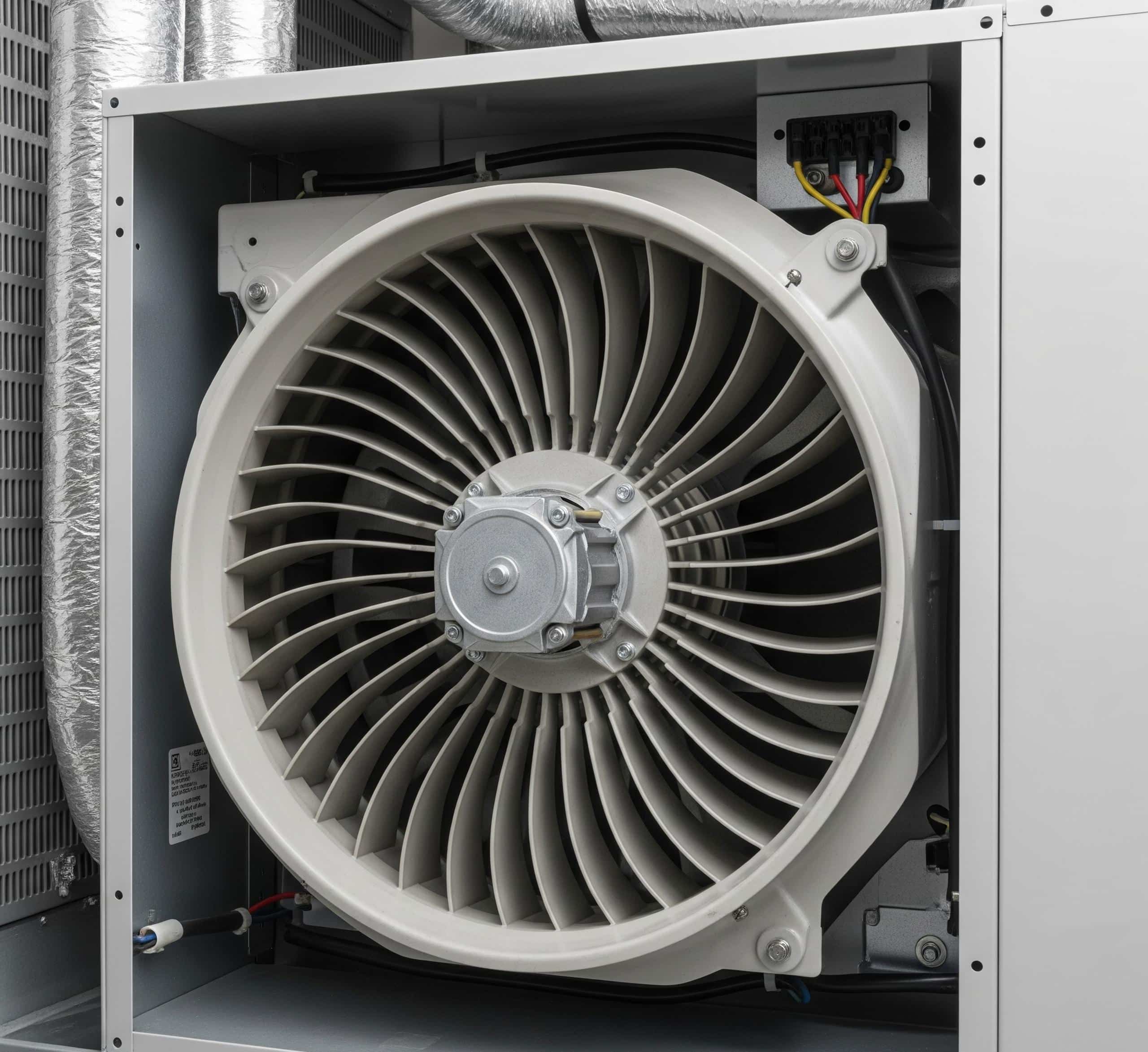
The evaporator coil removes heat and moisture from the air. Because it is constantly wet during cooling, it can collect dirt and grow biological material if it is not kept clean. A dirty coil reduces efficiency and can release odors into the airflow.
The drain pan and condensate line carry water away from the system. If the line clogs, water can back up, creating damp conditions inside the air handler. Routine care matters here, and this article on how often you need to clean your AC coils gives helpful guidance on timing and what to watch for.
Leaky or Dirty Ductwork
Ducts carry conditioned air through the attic, walls, and ceilings. In many Florida homes, ducts run through hot attic space. If they have gaps, disconnected joints, or damaged insulation, they can pull in attic dust, insulation fibers, and humid air, then deliver it to living areas. Leaks also cause condensation on duct surfaces, which can lead to moisture problems.
Ducts that have not been inspected in years may also hold built-up dust and debris. Cleaning is not always necessary, but inspection helps confirm whether sealing, repair, or cleaning is appropriate.
Chemicals and Volatile Organic Compounds
Volatile organic compounds, often called VOCs, are gases released by common household products. Sources include paints, cleaning supplies, air fresheners, aerosol sprays, new furniture, flooring adhesives, and some building materials. In a tightly sealed home, these gases can build up.
Reducing the use of strongly scented products, choosing low-VOC paints, and allowing new furniture to air out before bringing it inside are simple ways to limit exposure.
Combustion Sources and Cooking
Gas stoves, fireplaces, candles, and tobacco smoke release particles and gases into the air. Cooking, especially frying or high-heat methods, can produce fine particles and moisture. Using a kitchen exhaust fan that vents outdoors helps remove these byproducts. Recirculating hoods that only pass air through a filter are less effective at removing moisture and gases.
Pets, Pests, and Household Allergens
Pet dander, hair, and saliva proteins are common triggers. Dust mites thrive in warm, humid environments and live in bedding, upholstery, and carpet. Pest activity, including droppings and debris from insects or rodents, can also add allergens to the air. Regular vacuuming with a sealed or HEPA-style filter and washing bedding in hot water help control these sources.
Causes of Poor Indoor Air Quality at a Glance
The table below summarizes the major sources, what they do, and the signs that may point to each one.
| Cause | How It Affects Air Quality | Common Signs | Typical Response |
|---|---|---|---|
| High humidity | Encourages mold, dust mites, and bacteria | Sticky air, condensation on windows | Check AC sizing and runtime, consider dehumidification |
| Mold and mildew | Releases spores into the air | Musty smell, visible spots | Find and fix the moisture source, professional assessment if widespread |
| Dirty air filter | Reduces particle capture and airflow | Dust buildup, weak airflow | Replace on a regular schedule |
| Outdoor pollen and dust | Enters through gaps and openings | Seasonal allergy symptoms | Improve filtration, seal leaks |
| Dirty coil or drain pan | Adds odor and moisture inside the system | Musty smell from vents, water near the unit | Scheduled cleaning and inspection |
| Leaky ductwork | Pulls in attic dust and humid air | Uneven cooling, dust near vents | Duct inspection and sealing |
| VOCs from products | Adds chemical gases to indoor air | Strong odors, headaches | Ventilate, choose low-emission products |
| Cooking and combustion | Releases particles and moisture | Haze, lingering smells | Use exhaust fans vented outdoors |
| Pets and allergens | Adds dander and dust mites | Itchy eyes, sneezing | Frequent cleaning, filtered vacuum |
How a Cooling System Affects Air Quality
An HVAC system does more than lower the temperature. It moves, filters, and dehumidifies the air. When it is working properly, it helps keep humidity in a healthy range and removes a share of airborne particles. When it is not, it can spread contaminants from room to room.
A few conditions tend to cause problems:
- Oversized equipment: A system that is too large cools quickly and shuts off before it has removed enough moisture.
- Undersized or worn equipment: A system that runs constantly without keeping up may leave rooms humid and uneven.
- Skipped maintenance: Dirty coils, clogged drains, and filters that are overdue for replacement all reduce air quality.
- Poor airflow design: Blocked returns or restricted ducts can reduce the filter’s effectiveness.
This is why many homeowners look for an HVAC company Florida residents can rely on for both comfort and air quality concerns. The two are connected, and a technician who understands local humidity patterns can help identify problems that are easy to miss from inside the home.
Working With a Local HVAC Provider
When air quality concerns point to the cooling system, a qualified provider can inspect the equipment, measure humidity, check airflow, and look at ductwork and drainage. One Way Air is an air conditioning company Florida homeowners can contact for repairs, installations, maintenance, and indoor air quality services across areas such as Fort Myers, Tampa, Orlando, and Fort Lauderdale. Emergency service is available for urgent cooling problems.
A good inspection usually answers practical questions:
- Is indoor humidity within a healthy range?
- Are the coil, drain line, and blower clean?
- Are the ducts sealed and properly insulated?
- Is the filter type suitable for the system and the household?
- Would added filtration or humidity control be appropriate?
The answers help you decide whether simple maintenance is enough or whether equipment changes are worth considering.
Practical Steps You Can Take at Home
Several steps are within reach for most households, and they do not require special tools.
Control Moisture First
- Use bathroom and kitchen exhaust fans, and vent them outdoors
- Fix leaks promptly
- Keep indoor humidity under about 60 percent
- Wipe up spills and condensation quickly
Maintain Filters and Airflow
- Replace filters on schedule
- Keep supply and return vents clear of furniture and rugs
- Choose a filter with a rating your system can handle, since very dense filters can restrict airflow in some systems
Reduce Sources Inside the Home
- Limit strongly scented products and aerosols
- Avoid smoking indoors
- Vacuum regularly and wash bedding weekly
- Groom pets and clean pet areas often
Schedule Routine Maintenance
Annual or twice-yearly inspections help catch dirty coils, clogged drains, and worn parts before they affect air quality. In Florida, where systems run for most of the year, regular maintenance carries more weight than in cooler climates.
When to Seek Professional Help
Some situations call for more than routine care. Consider contacting a professional if you notice:
- Persistent musty odors from the vents
- Visible mold growth on or near the system
- Humidity that stays high even when the air conditioner runs
- Allergy or breathing symptoms that seem tied to being at home
- Dust that returns very quickly after cleaning
- Water around the air handler or stains on nearby ceilings
If someone in the home has asthma, a respiratory condition, or a weakened immune system, it makes sense to address these signs sooner rather than later.
Final Thoughts
Poor indoor air quality rarely comes from a single source. In Florida, humidity, mold, dust, pollen, household products, and the condition of the HVAC system all play a part. The good news is that many of these causes can be managed with routine steps such as controlling moisture, replacing filters, and keeping the cooling system maintained.
If you have noticed odors, humidity problems, or symptoms that seem linked to your home, a professional inspection can help identify what is going on and what makes sense to address first. Contact our team at One Way Air to discuss your indoor air quality concerns and learn what options may suit your home.
Frequently Asked Questions
High humidity is usually the biggest factor. It supports mold, dust mites, and bacteria, and it makes other problems, such as musty odors, more noticeable. Keeping indoor humidity near the recommended range reduces many related issues.
Common signs include musty smells, frequent allergy symptoms, visible mold, excess dust, and condensation on windows. Because these signs can have different sources, an inspection or air quality assessment can help narrow down the cause.
Yes, if it is not maintained. Dirty filters, dirty coils, clogged drain lines, and leaky ducts can all add particles, moisture, or odors to the air that circulates through the home.
Many homes do well with a change every one to three months. Homes with pets, allergy sufferers, or heavy system use may need more frequent changes. Check the manufacturer guidance for your specific filter and system.
The EPA recommends keeping indoor relative humidity between 30 and 60 percent. In Florida, staying toward the middle or lower part of that range often helps limit mold and dust mite growth.
It does. Leaky or dirty ducts can pull in attic dust and humid air, then distribute it through the home. Inspection helps determine whether sealing, repair, or cleaning is needed.
Call if you notice persistent odors, visible mold, high humidity despite regular cooling, unexplained allergy symptoms, or water near the air handler. Early attention usually limits the cost and scope of repairs.