An air conditioner does more than lower the temperature. It removes humidity, filters the air, and keeps every room at a steady, comfortable level, often for many hours a day during warm months. That constant workload is the main reason AC maintenance deserves a regular place on a homeowner’s schedule. Air conditioning maintenance is a planned inspection and cleaning of the system, and its purpose is to find small problems before they turn into breakdowns.
This guide explains what annual AC maintenance includes, how it affects comfort and energy use, and how to decide when your system needs service. One Way Air, a licensed air conditioning contractor, receives many questions on this topic, so the information below focuses on what homeowners most often want to know before booking a visit.
What Is Annual AC Maintenance?
Annual AC maintenance is a yearly service visit in which a trained technician inspects, cleans, tests, and adjusts the major parts of a cooling system. It is different from a repair call. A repair responds to a problem that has already caused a failure or a noticeable drop in performance. Maintenance is preventive. It looks for wear, buildup, loose connections, and early warning signs while the system is still running normally.
It works much like a vehicle inspection and oil change. The car may drive fine for a while without one, but regular checks keep minor issues from becoming expensive ones. The same logic applies to a central air conditioner, a heat pump, or a split system.
What Does Annual AC Maintenance Include?
The exact scope depends on the provider, the system type, and the age of the equipment. Most thorough air conditioning maintenance visits cover the areas below.
Air Filter Inspection and Replacement
The air filter traps dust, pet dander, and debris before they reach the indoor coil and blower. A clogged filter restricts airflow, forces the system to work harder, and can contribute to frozen coils. A technician checks the filter condition, replaces it if needed, and confirms the size and rating suit your system.
Evaporator and Condenser Coil Cleaning
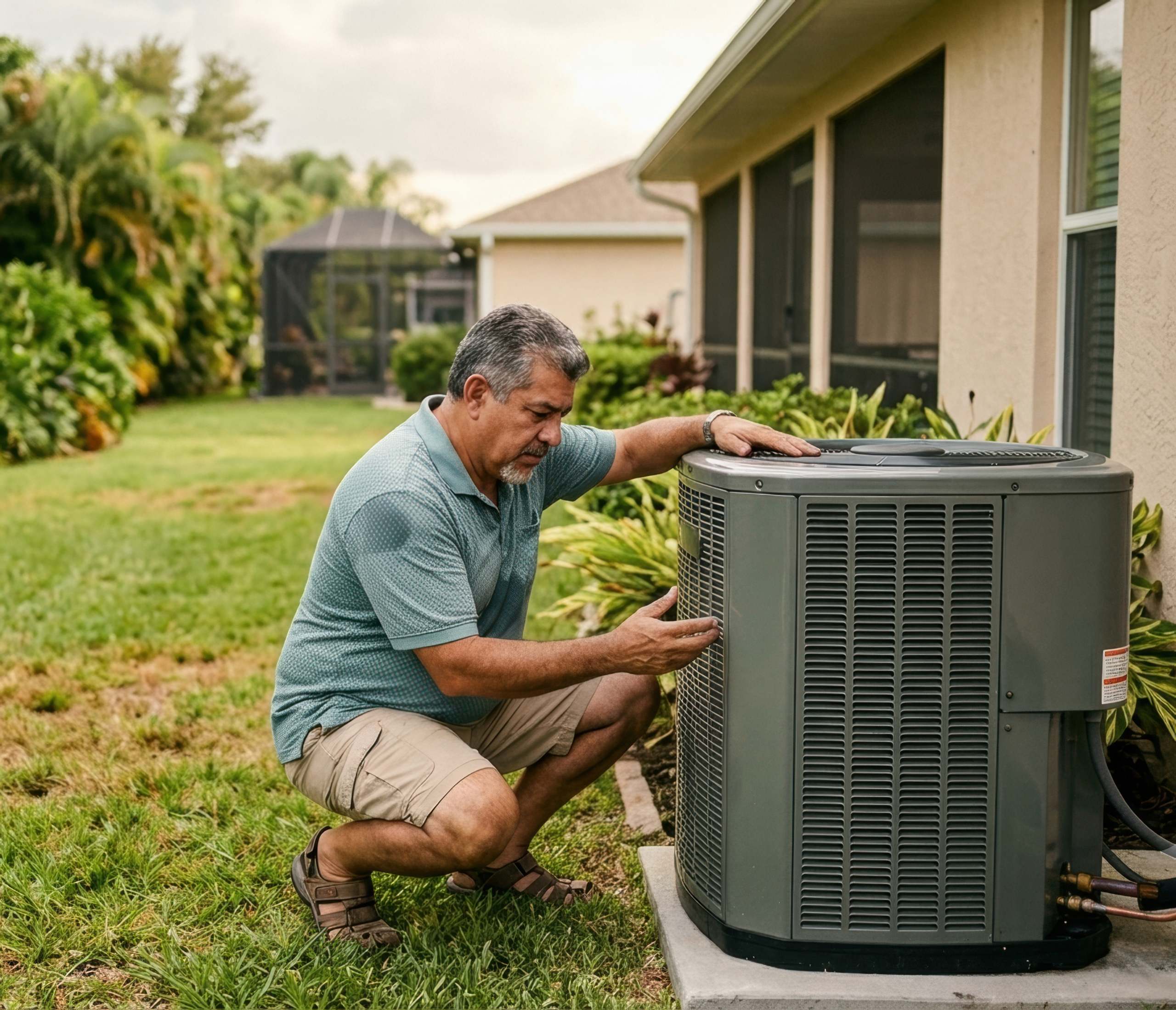
Coils transfer heat. The indoor evaporator coil absorbs heat from the air in your home, and the outdoor condenser coil releases it outside. Dirt on either coil acts like insulation and reduces heat transfer. During a visit, the technician inspects both coils and cleans them as needed. Outdoor coils also collect grass clippings, pollen, and other debris over time.
Condensate Drain Line Check
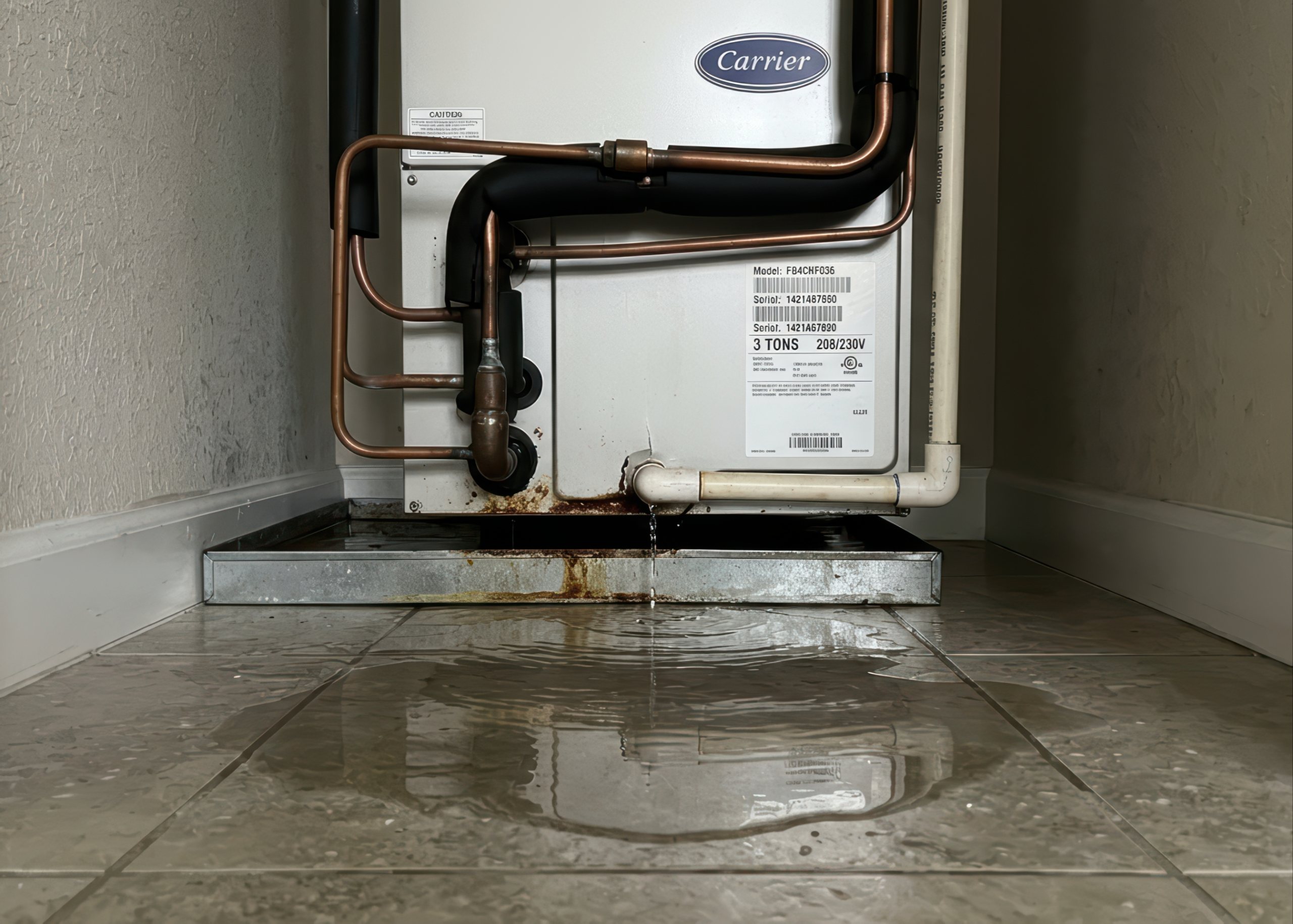
Air conditioners remove moisture from the air, and that water leaves through a condensate drain line. In humid conditions this line can develop algae and sludge that cause clogs. A blocked drain can lead to water leaks or cause the system to shut off through a safety switch. Flushing and testing the drain line is a standard part of good AC maintenance.
Electrical Component Testing
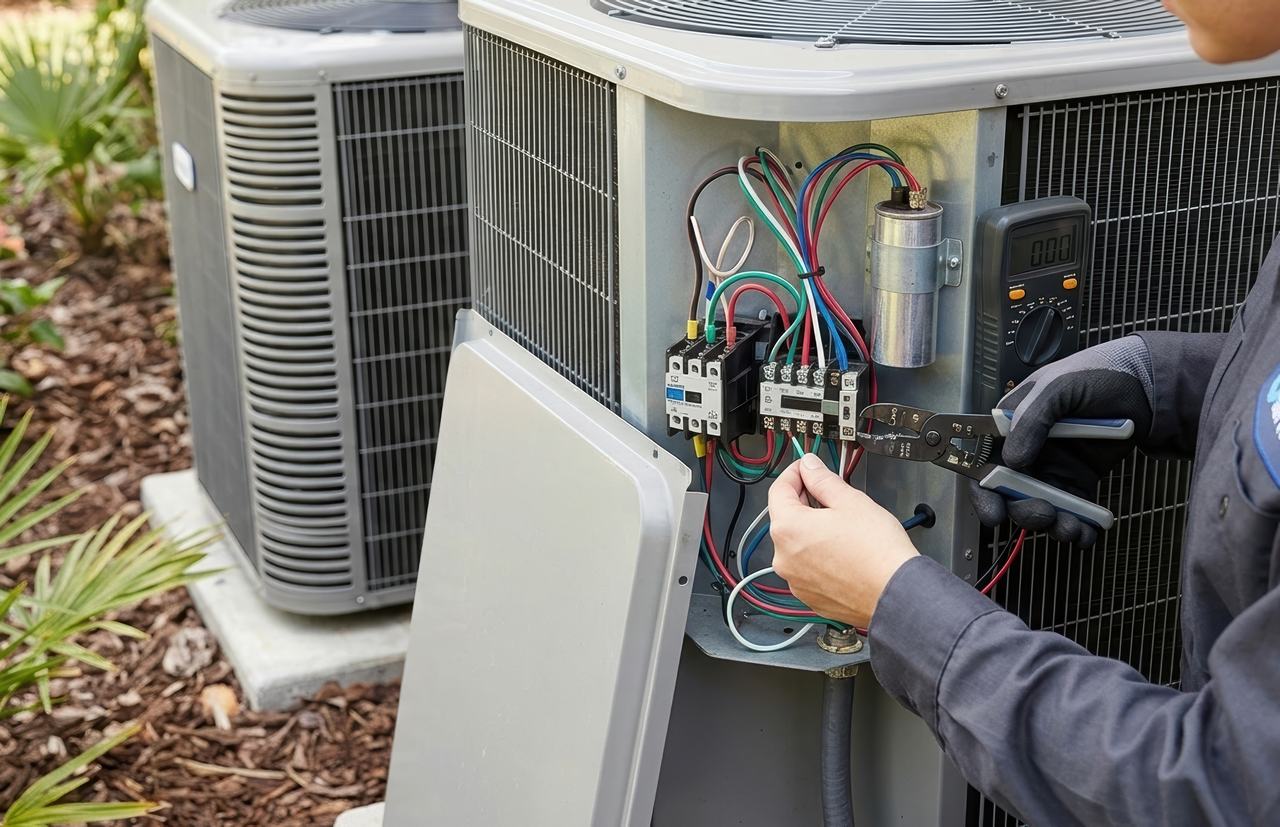
Technicians inspect wiring, tighten connections, and test capacitors, contactors, and relays. They also measure voltage and amperage on the compressor and fan motors. Worn electrical parts are a common cause of no-start calls, and they often show measurable signs of weakness before they fail completely.
Refrigerant Level and Pressure Check
Refrigerant carries heat out of the home. An air conditioner is a sealed system, so low refrigerant usually points to a leak rather than normal use. A technician checks pressures and temperature differences to see whether the system is operating within the manufacturer’s specifications. If something looks wrong, the visit gives you a chance to address it early.
Blower Motor and Airflow Evaluation
The blower moves conditioned air through the ducts. Technicians check the blower wheel for dirt, confirm the motor is running properly, and look at airflow at the supply vents. Weak airflow can come from a dirty blower, a failing motor, or restricted ductwork.
Thermostat Calibration and Controls
A thermostat that reads a few degrees off can cause short cycling, uneven comfort, or wasted energy. The visit usually includes confirming that the thermostat communicates properly with the system and that cooling cycles start and stop as expected.
Lubrication, Fasteners, and General Inspection
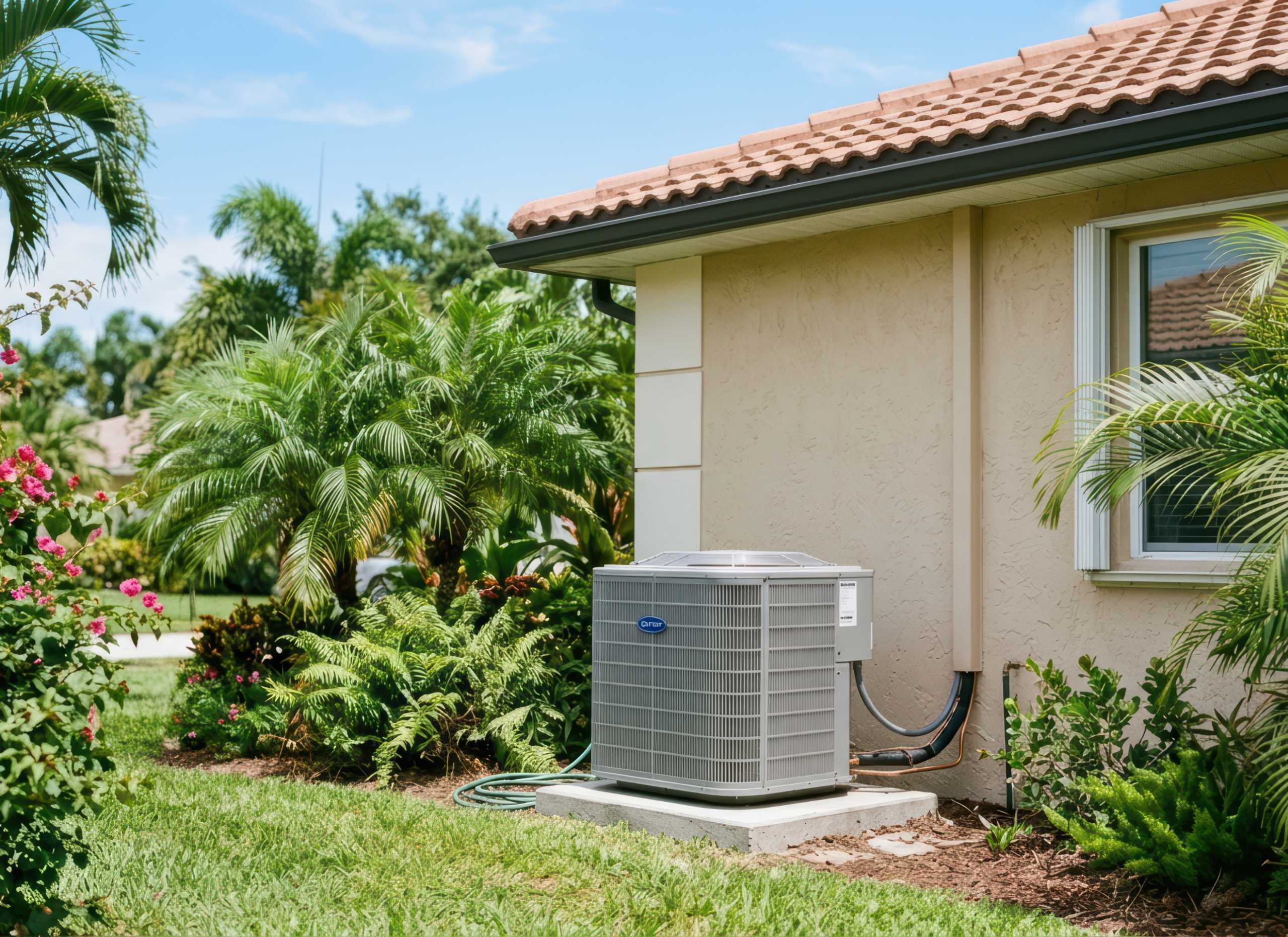
Moving parts such as motor bearings may need lubrication. Loose panels, mounting hardware, and insulation on refrigerant lines should also be checked. Technicians look at the outdoor unit pad, the clearance around it, and any visible signs of corrosion.
Why Does AC Maintenance Matter?
Regular AC maintenance affects four things homeowners care about most: comfort, cost, reliability, and air quality.
Better Efficiency and Lower Energy Use
Dirty coils, weak airflow, and worn components make a system consume more electricity to deliver the same cooling. Maintenance restores airflow and heat transfer, which helps the system operate closer to its design efficiency. This matters most in peak summer months, when cooling is the largest part of many household energy bills.
Fewer Unexpected Breakdowns
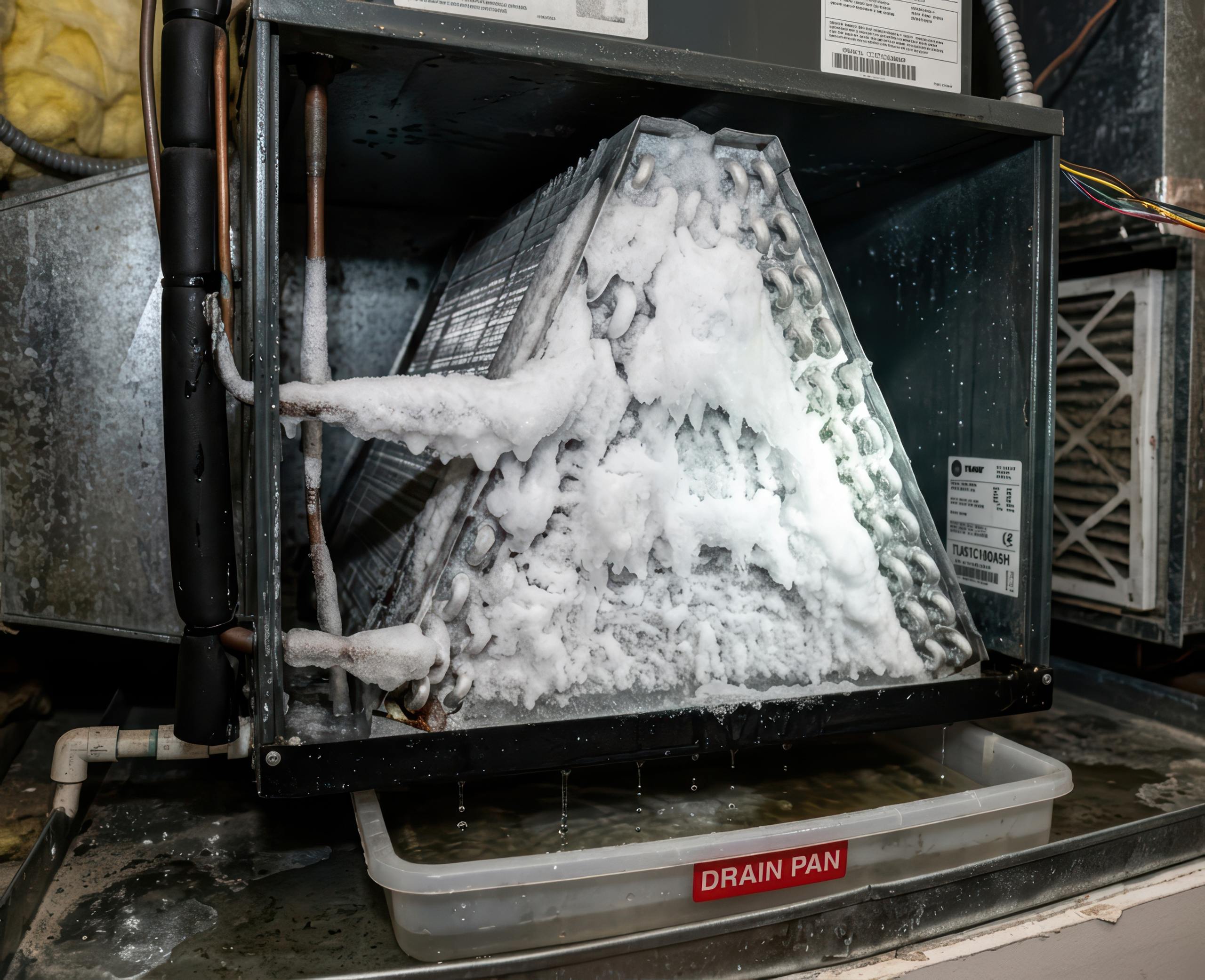
Most AC failures happen when demand is highest, during long stretches of heat. A pre-season inspection can reveal a weak capacitor, a corroded connection, or a clogged drain before the hottest weeks arrive. Restricted airflow is one of the most common triggers for ice on the indoor coil, so it helps to understand why your AC may freeze up and how regular filter and coil care reduces that risk.
Longer Equipment Life
Central air conditioners are a significant investment. Components that run clean, lubricated, and within normal electrical limits experience less stress. Over time, that reduced strain can help the equipment last longer and delay the cost of replacement.
Healthier Indoor Air and Humidity Control
A clean filter, coil, and drain line support better air quality and more stable humidity. An air conditioner that is not draining or dehumidifying properly can leave a home feeling damp, which encourages mold growth and musty odors.
Annual AC Maintenance Checklist at a Glance
The table below summarizes the main tasks in a typical visit, what each one involves, and the problem it helps prevent.
| Maintenance Task | What the Technician Does | Problem It Helps Prevent |
|---|---|---|
| Air filter check | Inspects and replaces the filter if needed | Restricted airflow and frozen coils |
| Coil cleaning | Cleans evaporator and condenser coils | Poor heat transfer and higher energy use |
| Drain line service | Flushes and tests the condensate line | Water leaks and clogs |
| Electrical testing | Tightens connections, tests capacitors and relays | Failure to start and motor damage |
| Refrigerant check | Measures pressures and temperature split | Weak cooling and compressor strain |
| Blower inspection | Cleans and tests the blower motor and wheel | Uneven airflow and noisy operation |
| Thermostat test | Confirms calibration and system response | Short cycling and uneven comfort |
| General inspection | Lubricates parts, checks panels and insulation | Wear, vibration, and corrosion |
The drain line is a good example of a small task with a large payoff. When it is neglected, the first sign is often water near the indoor unit, and it helps to know the common reasons behind an AC leaking water so you can act before it causes damage to ceilings or floors.
What Affects How Much Maintenance Your System Needs?
No two homes put the same demand on an air conditioner. Several factors change how quickly a system collects dirt and wears out:
- Run time: Systems that operate for many months of the year need more frequent attention than those used seasonally.
- Climate: Hot and humid conditions increase condensation, which raises the chance of drain line buildup.
- Surroundings: Trees, grass, construction dust, and nearby water can all add debris or corrosion to the outdoor unit.
- Household makeup: Pets, smokers, and allergy-sensitive residents often need filters changed more often.
- System age: Older equipment has more worn parts and benefits from closer inspection.
Understanding these factors helps you decide whether one visit a year is enough or whether a second visit makes sense.
How Often Should You Schedule AC Maintenance?
For most homes, once a year is the baseline. Homeowners in regions with long cooling seasons sometimes choose twice-yearly service, with one visit before the main cooling season and another before the cooler months. Consider scheduling sooner if any of these apply:
- The system is more than ten years old
- You have pets or household members with allergies
- You have noticed rising energy bills without a change in usage
- The system has had repairs in the past year
- You hear new noises or notice weaker airflow
The best time for a visit is before the heaviest cooling demand, usually in spring. Scheduling then leaves time to address any findings before summer.
What Homeowners Can Do Between Visits
Professional service does not replace basic care. A few simple habits help the system between appointments:
- Check the air filter monthly and replace it when it looks dirty
- Keep the outdoor unit clear of plants, debris, and stored items
- Make sure supply and return vents are not blocked by furniture
- Watch for water around the indoor unit or a drain line that stays wet
- Note any new noises, smells, or changes in cooling and mention them at the next visit
Tasks that involve refrigerant, electrical parts, or opening sealed panels should be left to a licensed technician.
What to Expect During a Maintenance Visit
A typical visit begins with a conversation about how the system has been performing. The technician then inspects the indoor and outdoor units, cleans what needs cleaning, tests operation, and explains the findings. A good provider will tell you what is in good condition, what is wearing, and what may need attention soon, so you can plan rather than react. If a repair is needed, you should receive a clear explanation of the issue and your options before any work begins.
Final Thoughts
Most visits take about an hour for a standard residential system, though larger or older systems and those needing extra cleaning can take longer.
Yes. A system can seem fine from the thermostat while coils are dirty, a capacitor is weakening, or a drain line is partially blocked. Maintenance finds these issues before they affect comfort or cause a failure.
Maintenance is preventive and scheduled. Repair addresses a specific malfunction. A maintenance visit may uncover the need for a repair, but its main goal is to keep the system running properly.
It can help. Clean coils, proper airflow, and correct refrigerant levels let the system run more efficiently. The size of the savings depends on the condition of the system before service.
Spring is the most common choice, before summer heat puts the system under heavy load. Some homeowners add a second visit in fall.
You can replace filters, clear debris around the outdoor unit, and watch for warning signs. Coil cleaning, refrigerant checks, and electrical testing require proper training and tools.
A new system benefits from regular service too. Maintenance confirms that it is operating as designed, and many manufacturers require routine service to keep warranty coverage in place. Check your warranty terms for specifics.