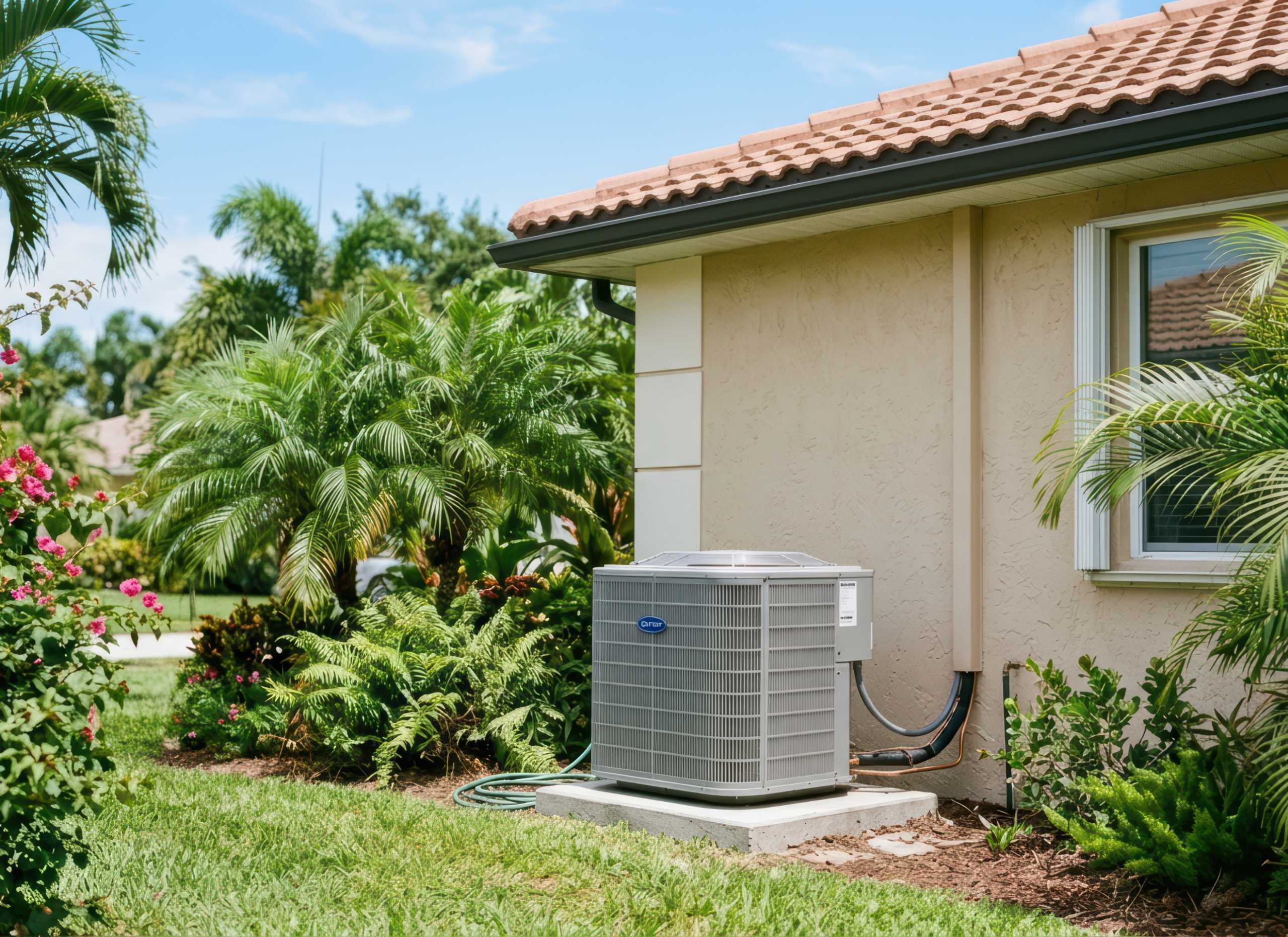
Few things feel worse in a Florida summer than hearing your system hum while the house stays warm. An AC running but not cooling is a common problem, and it usually has a clear cause. Sometimes the fix is as simple as a clogged filter. In other cases, a mechanical or refrigerant issue needs professional attention.
At One Way Air Florida, homeowners often ask why their air conditioner is not cooling even though the fan is blowing and the unit never shuts off. This guide explains how your system works, what commonly goes wrong, which checks are safe to do yourself, and when an air conditioner repair service is the right next step.
How Your Air Conditioner Cools Your Home
An air conditioner does not create cold air. It removes heat and moisture from your indoor air and moves them outside. Refrigerant absorbs heat at the indoor evaporator coil, then releases it at the outdoor condenser coil. A blower fan pushes the cooled air through the ducts and into your rooms.
Because this process depends on several parts working together, a problem in any one of them can leave you with an air conditioner not cooling the way it should. Airflow, refrigerant, electrical components, and heat transfer all play a role.
Common Reasons for an AC Running but Not Cooling
Most cooling problems trace back to a handful of causes. Understanding them helps you describe the issue accurately to a technician and avoid guesswork.
Dirty or Clogged Air Filter
A filter full of dust and pet hair restricts airflow. With less air moving across the evaporator coil, the system cannot absorb enough heat. The air from the vents may feel weak or only slightly cool. Restricted airflow also puts extra strain on the blower motor and can lead to bigger problems.
Most households should check the filter monthly during heavy cooling seasons. Florida homes often run the AC for most of the year, so filters tend to clog faster than in cooler regions.
Thermostat Settings or Thermostat Faults
Sometimes the cause is not the AC at all. A thermostat set to “fan on” instead of “auto” will blow air continuously, even when the cooling cycle is off. That air may feel lukewarm. Dead batteries, a miscalibrated sensor, or a thermostat placed in direct sunlight can also cause incorrect readings.
Check that the thermostat is set to “cool,” the temperature is lower than the current room temperature, and the display is working properly.
Frozen Evaporator Coil
When airflow is poor or refrigerant is low, the evaporator coil can drop below freezing and collect ice. A thick layer of ice blocks air from passing through the coil, so the system keeps running but delivers little or no cooling. Homeowners who notice ice on the indoor unit or refrigerant lines can find more detail on why afrozen evaporator coil develops and whether it can resolve on its own.
If you see ice, turn the cooling off and set the fan to “on” so the ice can melt. Do not chip it away, since that can damage the coil.
Low Refrigerant Levels
Refrigerant does not get used up like fuel. If levels are low, there is a leak somewhere in the system. Low refrigerant reduces the system’s ability to absorb heat, which results in warm air, longer run times, and higher energy bills. You may also hear hissing or bubbling sounds near the lines.
Refrigerant handling requires certification, so this is a job for a licensed professional. Topping off without finding the leak only delays the problem.
Dirty Condenser Coil or Blocked Outdoor Unit
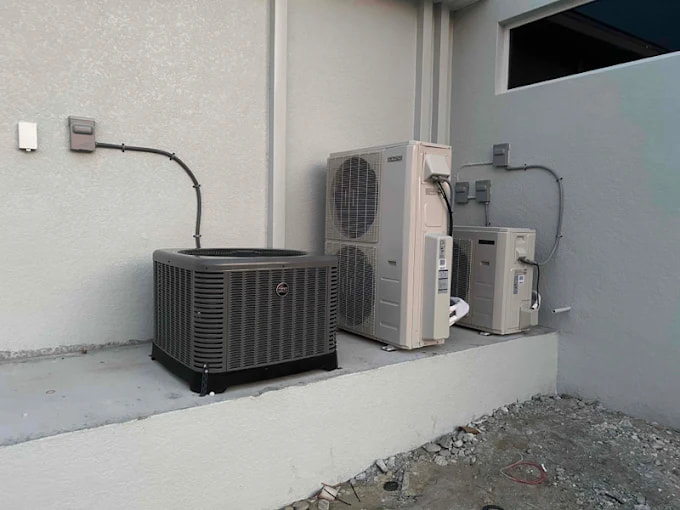
The outdoor unit has to release the heat that your home gives up. If the condenser coil is covered in dirt, grass clippings, or cottonwood debris, heat cannot escape efficiently. In coastal areas, salt air can also speed up buildup and corrosion. Shrubs growing too close to the unit can restrict airflow as well.
Failing Capacitor, Compressor, or Fan Motor
The compressor circulates refrigerant, and the outdoor fan helps release heat. If the capacitor weakens or the fan motor fails, the indoor blower may keep running while the outdoor unit does not. You might notice warm air, humming noises, or a unit that struggles to start. These are electrical and mechanical issues that call for a trained technician.
Leaky or Poorly Sealed Ductwork
Even a healthy AC cannot cool well if the cool air escapes before reaching your rooms. Ducts in a hot attic can leak conditioned air or pull in hot, humid air. If some rooms stay warm while others feel fine, duct problems may be part of the picture.
Undersized System or Extreme Heat
A system that is too small for the home may run constantly without reaching the set temperature. On the hottest Florida afternoons, even a properly sized system may fall a few degrees behind the thermostat. If your AC keeps up fine on milder days but struggles only in peak heat, capacity could be a factor.
Quick Reference Table: Symptoms, Likely Causes, and Next Steps
When a technician from One Way Air Florida evaluates a system, several of these causes often overlap, which is why a full inspection is more useful than a single quick fix. The table below summarizes the most common patterns.
| Symptom | Likely Cause | Safe Homeowner Check | When to Call a Professional |
|---|---|---|---|
| Weak airflow from vents | Dirty filter or blocked return | Inspect and replace the filter | If airflow stays weak after replacing it |
| Warm air from vents | Low refrigerant or failing compressor | Confirm thermostat is on “cool” | Right away, since this needs diagnosis |
| Ice on indoor unit or lines | Frozen evaporator coil | Turn off cooling, run fan only | If ice returns after thawing |
| Outdoor unit not running | Capacitor or contactor failure | Check the breaker and thermostat | Whenever the breaker is fine |
| Some rooms warm, others cool | Duct leaks or airflow imbalance | Make sure vents are open | For a duct and airflow inspection |
| Long run times, high bills | Dirty coils or undersized system | Clear debris around outdoor unit | For coil cleaning or system evaluation |
| Water around the indoor unit | Clogged condensate drain | Check the drain pan visually | If water keeps returning |
What You Can Safely Check Before Calling for Help
A few simple checks can rule out minor causes and give a technician useful information. Always turn off power at the thermostat before touching any part of the system.
Replace the Air Filter
Pull out the filter and hold it up to the light. If you cannot see through it, replace it. Use the size and rating recommended for your system.
Confirm Thermostat Settings
Set the mode to “cool” and the fan to “auto.” Lower the temperature a few degrees below the current reading and wait several minutes to see if the system responds.
Look at the Outdoor Unit
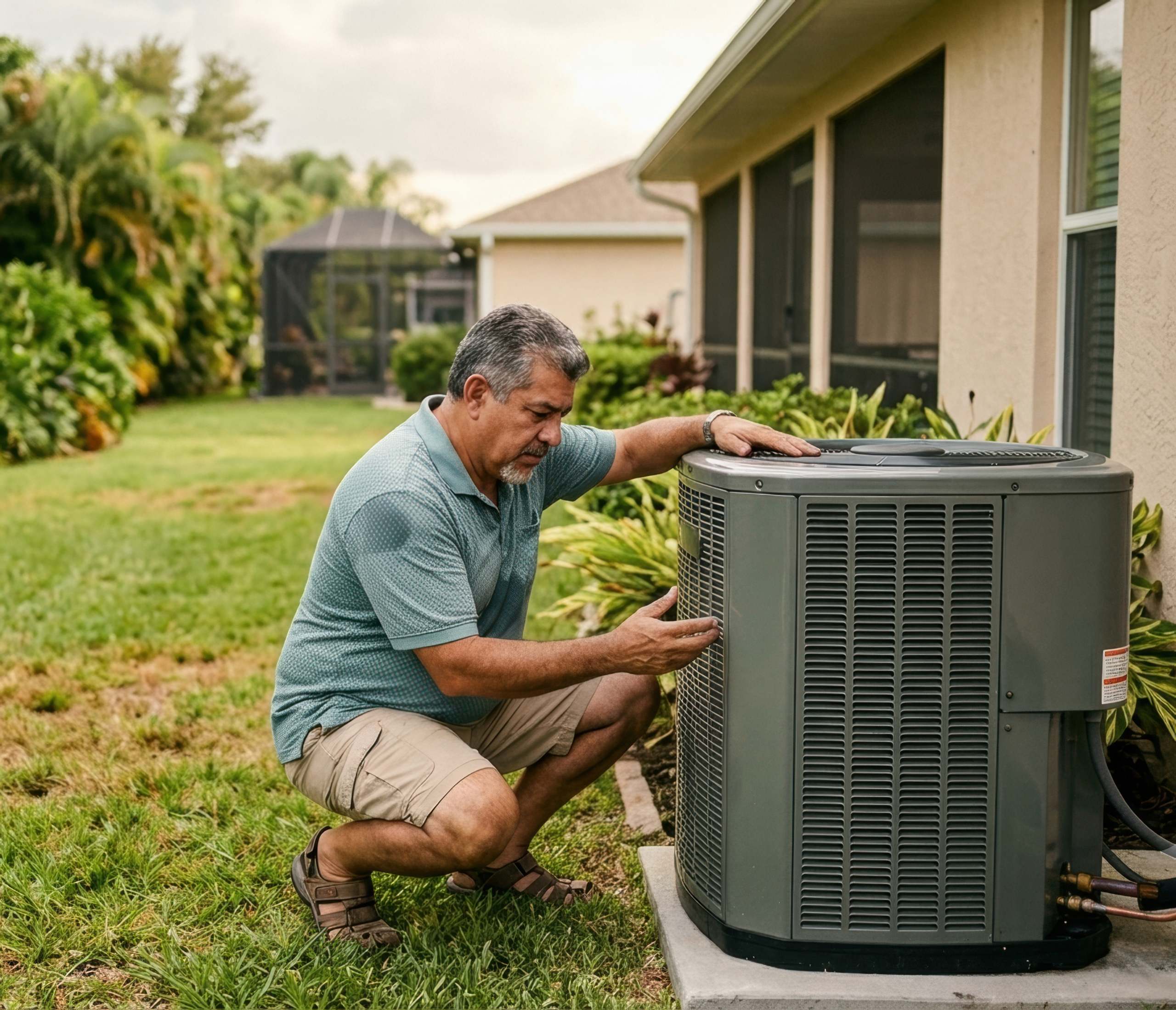
Clear leaves, grass, and debris from around the condenser. Keep at least two feet of open space on all sides. Gently rinse the exterior fins with a garden hose if they look dirty, but do not use a pressure washer. Dirty coils are one of the most overlooked causes of weak cooling, and understanding how often you should be cleaning AC coils can help you plan routine care.
Check the Breaker and Vents
A tripped breaker can shut down the outdoor unit while the indoor fan continues to run. Reset it once. If it trips again, stop and call for service. Also confirm that supply vents and return grilles are open and not blocked by furniture or rugs.
Check the Condensate Drain
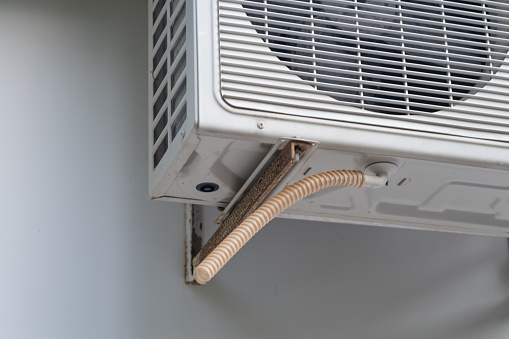
Many systems have a safety switch that shuts off cooling if the drain line clogs. If you see standing water near the indoor unit, there may be a blockage.
When to Schedule an Air Conditioner Repair Service
Some problems are beyond basic troubleshooting. If you have tried the checks above and your air conditioner is still not cooling, it is time to bring in a professional. Waiting can turn a small issue into a larger repair, especially when the compressor is under strain.
Signs You Should Not Wait
- Warm air continues to blow after you replace the filter and reset the thermostat
- Ice keeps forming on the coil or refrigerant lines
- You hear grinding, squealing, or repeated clicking from either unit
- The breaker trips repeatedly
- You notice a chemical or burning smell
- Your energy bills rise without a change in usage
What a Professional Diagnosis Typically Includes
A thorough air conditioner repair service starts with a full evaluation rather than a guess. Technicians generally measure airflow, check refrigerant pressure, test electrical components, inspect both coils, and examine the drain line and thermostat. This process identifies the actual cause, so the repair addresses the root problem rather than the symptom.
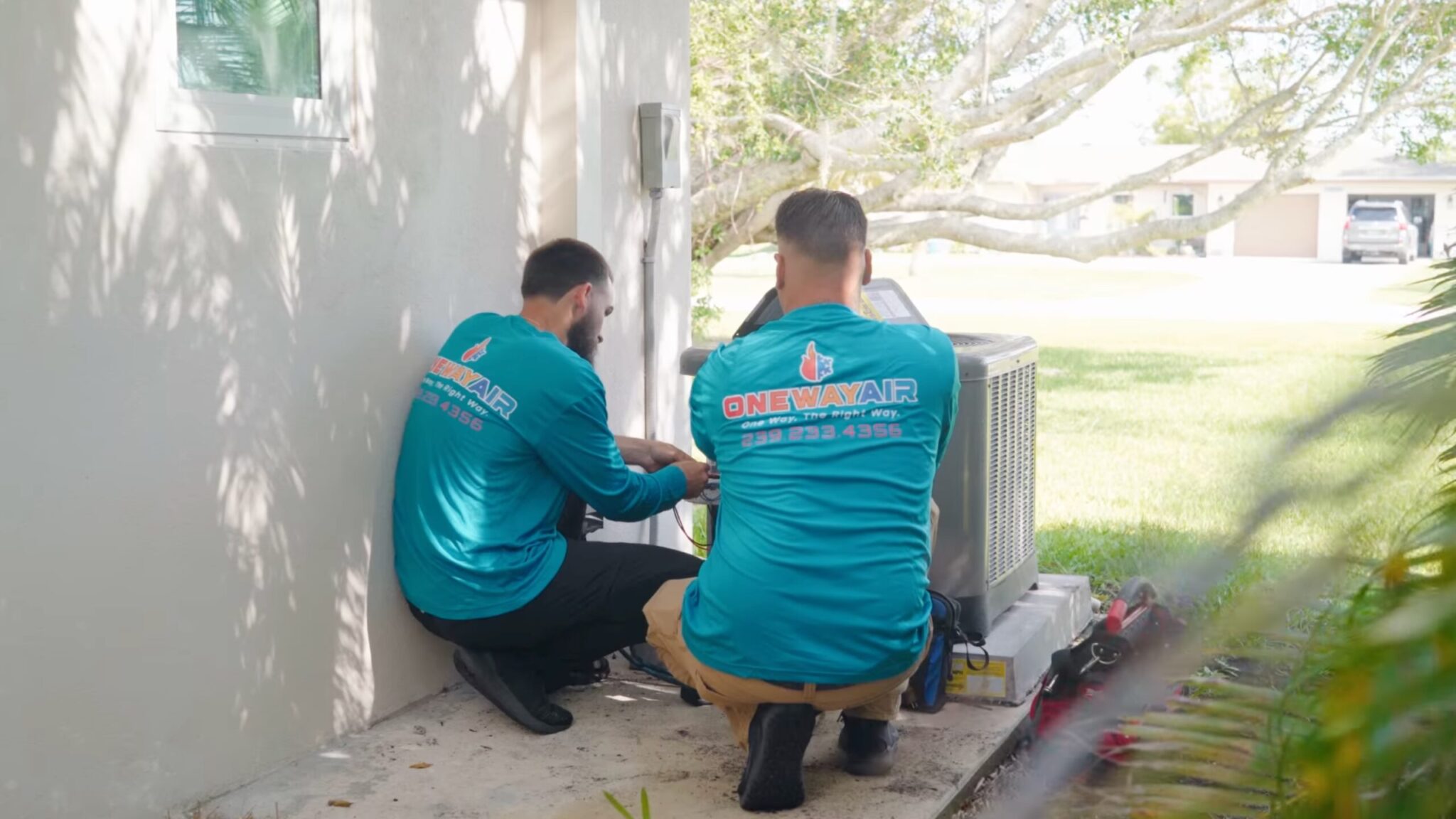
One Way Air provides air conditioner repair, installation, and maintenance for homes across Florida, including the Fort Myers, Tampa, Orlando, and Fort Lauderdale regions. Emergency service is also available for urgent cooling failures, which matters when summer temperatures put vulnerable family members at risk.
Repair or Replace?
If your system is more than 12 to 15 years old, uses outdated refrigerant, or needs frequent repairs, replacement may be more practical than repeated service calls. A technician can walk through repair costs against the system’s age, efficiency, and condition so you can make an informed choice.
How to Prevent Cooling Problems
Most of the causes above are preventable with regular care. A few habits go a long way in a climate that keeps your AC working hard.
- Replace or clean filters on schedule
- Keep the outdoor unit clear of plants and debris
- Use a programmable or smart thermostat to avoid extreme temperature swings
- Seal visible duct gaps and insulate attic ducts
- Schedule professional service before the hottest months
Routine service is especially valuable because small issues, such as a weakening capacitor or a slow refrigerant leak, are easier to catch before they cause a breakdown. If you are wondering what a complete visit covers, an overview of whatannual AC maintenance includes explains the typical steps and why they matter for performance and equipment life.
Conclusion
An AC running but not cooling is frustrating, but the cause is often easier to find than it seems. Dirty filters, thermostat errors, frozen coils, low refrigerant, and blocked outdoor units account for many cases, while electrical failures and duct problems account for most of the rest. Simple checks can resolve minor issues, and routine care helps prevent many of them from returning.
If your air conditioner is not cooling after the basic steps, a proper diagnosis from an experienced technician protects your equipment and your comfort. One Way Air Florida can inspect the system, identify the cause, and explain your options clearly. Contact our team to schedule an air conditioner repair service and get your home back to a comfortable temperature.
Frequently Asked Questions
The most common causes are a dirty air filter, incorrect thermostat settings, a frozen evaporator coil, low refrigerant, or a dirty condenser coil. Electrical failures in the outdoor unit and leaky ducts can also be responsible. Start with the simple checks, then call a technician if the problem continues.
Yes. A clogged filter restricts airflow across the evaporator coil. This reduces heat absorption and can even cause the coil to freeze. Replacing the filter is one of the easiest and most effective first steps.
It is better not to. Running a system with low refrigerant, a frozen coil, or a failing motor can damage the compressor, which is one of the most expensive components. Turn the system off and have it inspected.
Common signs include warm air from the vents, ice on the refrigerant line, hissing sounds, and longer cooling cycles. Only a licensed technician should confirm and address refrigerant issues, since leaks need to be located and repaired.
On a typical day, a properly working system should cool a home a few degrees within an hour or two. During extreme heat, it may run for most of the afternoon. If it runs constantly and the house never reaches the set temperature, something is likely wrong.
Yes. Heat gain through the attic, walls, and windows increases the load on your AC. Weak insulation and leaky ducts make the system work harder and can leave certain rooms noticeably warmer.
Costs vary based on the problem, parts needed, and system type. A filter replacement or thermostat fix is typically minor, while compressor or refrigerant repairs cost more. A technician can provide an estimate after diagnosing the issue.