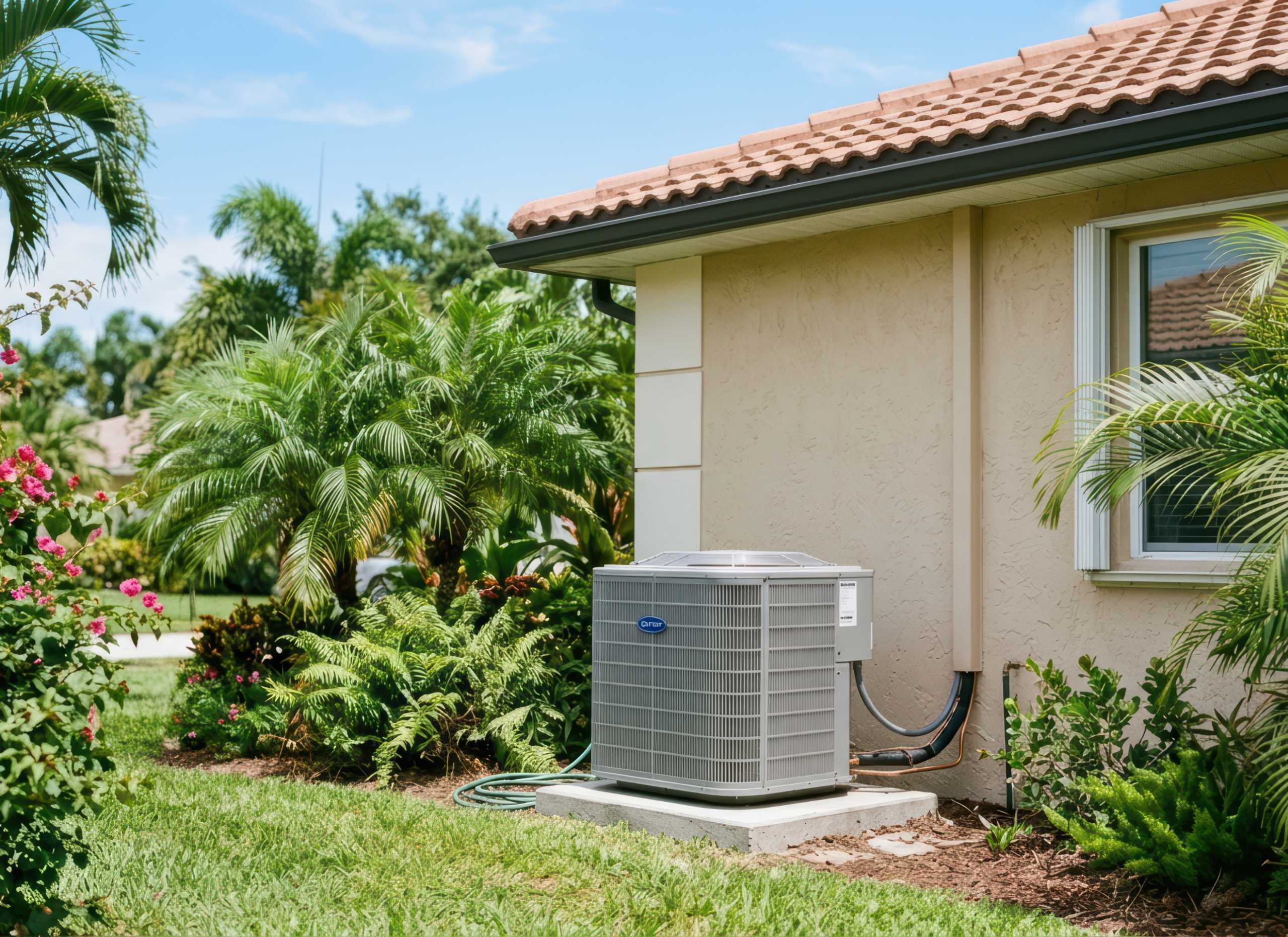
Florida summers put air conditioners to work for most of the year, and every hour of cooling produces water that has to go somewhere. That water leaves your home through the condensate drain line, a small pipe that is easy to forget until it clogs. Regular AC drain line cleaning keeps that pipe clear and helps prevent leaks, musty odors, and unexpected shutdowns.
So how often should it be done? For most Florida homes, the drain line needs attention at least every three months during heavy cooling season, with a professional check once or twice a year. This guide from One Way Air Florida explains why that schedule makes sense, what affects it, and how to recognize a problem early.
What Does an AC Drain Line Do?
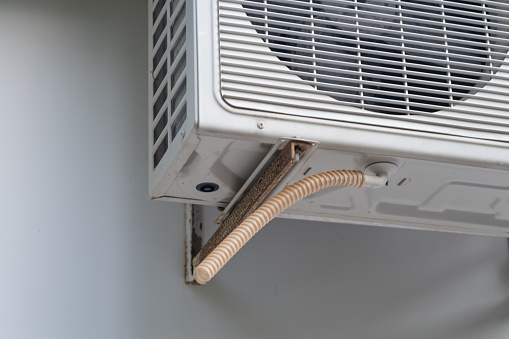
When warm, humid air passes over the cold evaporator coil, moisture condenses on the coil surface. The water drips into a condensate pan and flows out through the drain line, usually a PVC pipe that ends outside near the foundation or at a drain connection. In humid climates, a system can remove many gallons of water from indoor air on a hot day.
Because the line is narrow and the water is constantly moving, any buildup can slow or stop the flow. A partial clog may go unnoticed for weeks. A full clog sends water back into the pan and, eventually, into your home.
What Builds Up Inside the Line
Condensate water is not sterile. Over time, several things collect in the pipe:
- Algae and mold, which thrive in dark, damp, warm spaces
- Bacterial slime that forms a thick film on the pipe walls
- Dust and debris that pass through the air filter and settle in the pan
- Insects, small nests, or sediment that enter through the outdoor opening
In Florida’s climate, algae and mold grow faster than in drier regions. That is the main reason general advice about drain line care often falls short for homes here.
How Often Should You Schedule AC Drain Line Cleaning?
There is no single number that fits every house, but a practical range exists. Most HVAC professionals recommend that Florida homeowners flush or inspect the line every one to three months while the system runs daily, and arrange a full professional cleaning at least once a year.
A Practical Baseline for Most Homes
A simple routine works for many households:
- Check the drain line opening and pan every month during summer.
- Flush the line with a gentle cleaning solution every one to three months.
- Have a technician clean and test the full drain system during an annual tune-up.
This baseline assumes a typical single-family home with a system that runs most days. If your situation differs, the schedule may need to change.
Factors That Change the Schedule
Several conditions can make drain line maintenance more urgent:
- Run time: Systems that cool nearly year-round, common in South and Southwest Florida, collect buildup faster.
- Air handler location: A unit in an attic or closet has more to lose if water overflows, so tighter checks are worth it.
- Air quality: Homes with pets, nearby construction, or heavy dust load the line with more debris.
- System age: Older systems may have rougher pipe interiors and less effective pans.
- Filter habits: A dirty or poorly fitted filter lets more debris reach the coil and drain.
Why Florida Homes Need More Frequent AC Drain Line Maintenance
Florida’s combination of heat, humidity, and long cooling seasons creates ideal conditions for biological growth. A drain line in a dry climate might sit mostly empty for months. In Florida, it carries water almost daily, which feeds algae continuously.
There is also the question of consequences. Many Florida air handlers sit in attics or garages. A clogged line can let water overflow the pan unnoticed, soaking insulation, damaging ceilings, and encouraging mold in wall cavities. A few minutes of preventive work costs far less than drywall repair.
The Role of the Safety Switch
Many modern systems include a float switch that shuts down the AC when water rises too high in the pan. This protects your home, but it also means a clogged drain can look like a sudden system failure. If your AC stops cooling on a humid day and you cannot find an obvious cause, a blocked drain line is a common reason.
Warning Signs of a Clogged AC Drain Line
You do not need to wait for a scheduled cleaning if something seems off. Watch for these signs:
- Water pooling near the indoor unit or dripping from the ceiling
- A damp or musty smell near vents or the air handler
- Water in the secondary drain pan
- The AC shutting off unexpectedly, especially on humid days
- Higher indoor humidity even though the system is running
- Visible algae or slime at the outdoor end of the drain pipe
Water around the indoor unit is often the first thing homeowners notice. If you are seeing it, this guide on why an AC leaks water and how to address itwalks through the common causes, including a blocked condensate line.
A Closer Look at the Services Behind Drain Line Care
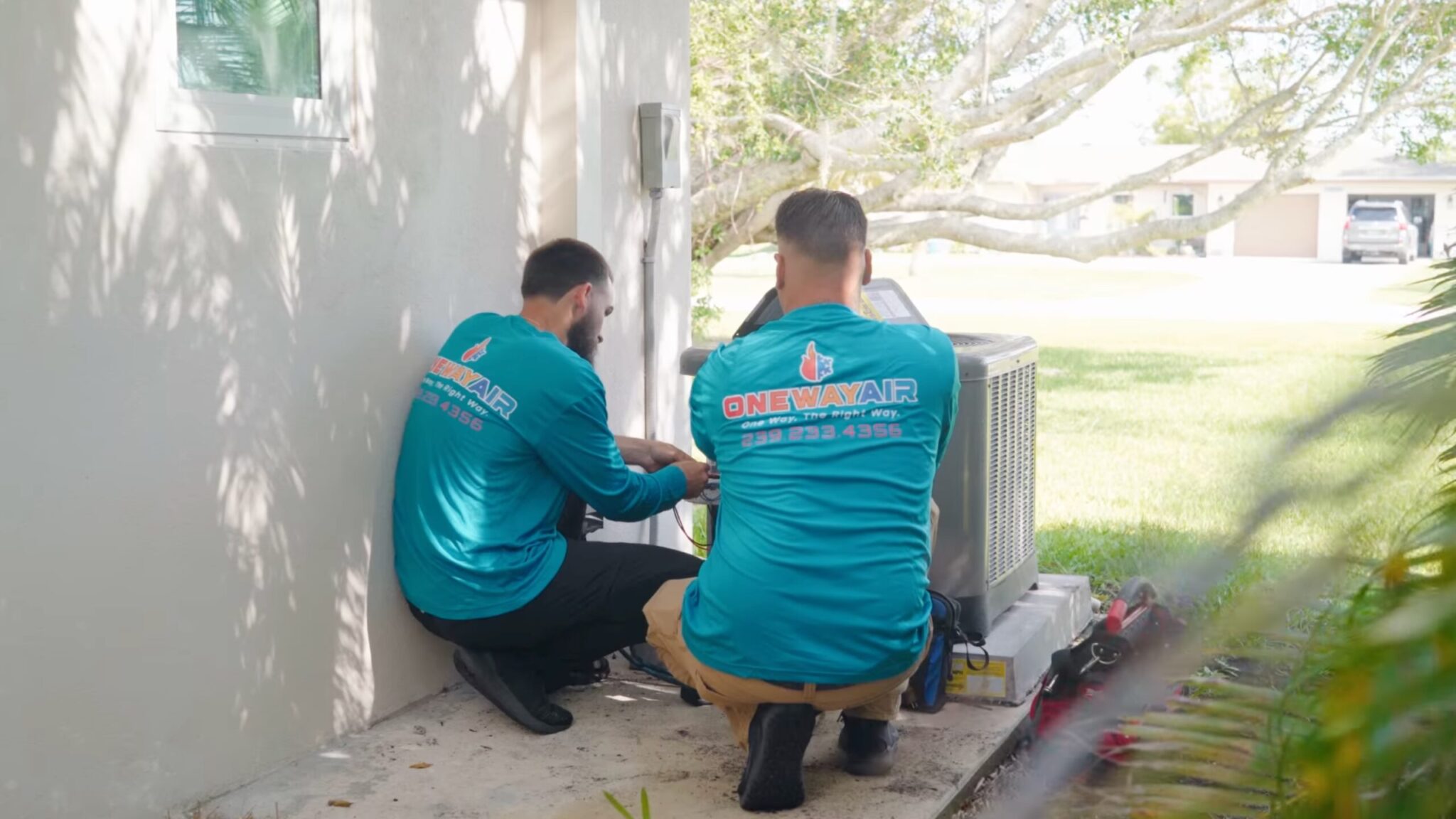
One Way Air Florida provides air conditioner repair, installation, and maintenance for homeowners in Fort Myers, Tampa, Orlando, and Fort Lauderdale. Drain line cleaning is a routine part of air conditioner maintenance, and technicians typically check it alongside the coil, filter, blower, and electrical components. Putting the drain line on the same visit as other seasonal checks keeps the process simple and helps catch small issues before they grow.
Recommended AC Drain Line Cleaning Schedule
The table below summarizes how often different homes should check or clean the condensate line. Treat it as a starting point, then adjust based on what you find during inspections.
| Home or System Situation | DIY Check or Flush | Professional Cleaning |
|---|---|---|
| Typical home, AC runs most days | Every 1 to 3 months | Once per year |
| Year-round cooling (South Florida) | Monthly | Twice per year |
| Attic or closet air handler | Monthly | Twice per year |
| Homes with pets or high dust | Monthly | Once or twice per year |
| Seasonal or vacation home | Before and after each stay | Once per year |
| Older system with past clogs | Monthly | Twice per year |
| Newer system, light use | Every 2 to 3 months | Once per year |
How to Clean an AC Drain Line at Home
Basic homeowner maintenance can handle light buildup. Always turn off the AC at the thermostat and the breaker before starting.
Step-by-Step Basics
- Locate the drain line. Find the PVC pipe near the indoor unit, often with a vertical access opening (called a vent tee) with a cap.
- Check the outdoor end. Look for the drain termination outside the house and clear any debris, dirt, or insects at the opening.
- Flush with vinegar. Pour about a quarter cup of distilled white vinegar into the access opening. Let it sit for 30 minutes, then flush with a little clean water.
- Clear the pan. If you see standing water or slime in the pan, wipe it out with a cloth.
- Use a wet/dry vacuum if needed. Attaching a wet/dry vacuum to the outdoor end can pull out stubborn blockage.
- Restore power and test. Turn the system back on and confirm that water drains freely.
Some homeowners use bleach, but it can be harsh on certain components, and manufacturer recommendations vary. Vinegar is generally a gentler choice for routine care. If you are unsure, check your equipment manual.
What DIY Cannot Do
Home flushing helps with light buildup, but it does not remove thick clogs, fix pipes with improper slope, or address problems inside the pan or coil area. If water backs up repeatedly, stop troubleshooting and call a technician.
How Drain Line Cleaning Fits Into a Complete Maintenance Routine
Drain line care works best as one part of a broader plan. A thorough tune-up usually covers the filter, the coil, the blower, refrigerant levels, electrical connections, and the condensate system together. This overview of what annual AC maintenance includes shows how these checks fit together and why skipping one can affect the others.
The evaporator coil and the drain line are closely linked. Dirt on the coil can wash into the pan and the pipe, and a clogged drain can leave the coil sitting in excess moisture. For homeowners who want to understand that connection, this article on how often to clean AC coils explains the coil side of the same maintenance picture.
Habits That Reduce Clogs Between Cleanings
Small, consistent habits reduce how fast buildup forms:
- Replace or wash the air filter on schedule, usually every one to three months
- Keep the area around the indoor unit clean and dry
- Keep the outdoor drain opening clear of mulch, soil, and leaves
- Avoid letting the pan sit with standing water
- Keep a short written log of when you last flushed the line
When to Call a Professional for Drain Line Maintenance
Some situations call for an HVAC technician rather than a DIY fix:
- Water returns after you have flushed the line
- The float switch keeps shutting the system down
- You see rust, cracks, or corrosion in the pan
- The drain line was installed with poor slope or sags in places
- You notice mold growth near the air handler
- The system is located in an attic and you are not comfortable working there
A professional can inspect the whole condensate system, clear stubborn clogs, and confirm that the pan, pipe, and safety switch are working as designed.
Conclusion
Consistent AC drain line cleaning is one of the simplest ways to protect a Florida home from water damage and avoidable AC breakdowns. A monthly visual check, a flush every one to three months, and a professional cleaning at least once a year suit most households, with shorter intervals for year-round systems, attic air handlers, and homes with pets or dust. Steady attention to the drain line also supports broader air conditioner maintenance and keeps the whole system running more efficiently.
If you notice leaks, odors, or repeated shutdowns, or if you simply want the condensate system checked before the heaviest part of the season, One Way Air Florida can help with inspections and routine care. Contact our team to schedule drain line service or discuss the right maintenance plan for your home.
Frequently Asked Questions
Most Florida homeowners should flush or inspect the drain line every one to three months during the cooling season, with a professional cleaning once or twice a year. Homes that cool year-round may need monthly checks.
Some people do, but opinions differ, and bleach can be harsh on certain materials. Distilled white vinegar is a common choice for routine cleaning. Check your manufacturer guidance, or ask a technician, before choosing a product.
Algae and sludge can build up until the line clogs. Water may then overflow the pan, trigger the float switch, stain ceilings, damage insulation, or encourage mold growth.
Yes. A complete HVAC system maintenance visit generally includes checking and clearing the condensate drain, along with inspecting the filter, coil, and electrical parts.
Common signs include water near the indoor unit, a musty smell, an AC that shuts off unexpectedly, higher indoor humidity, and standing water in the pan.
A simple flush takes about 30 to 60 minutes including soak time. A professional cleaning of a heavily clogged line may take longer, depending on access and the extent of the blockage.