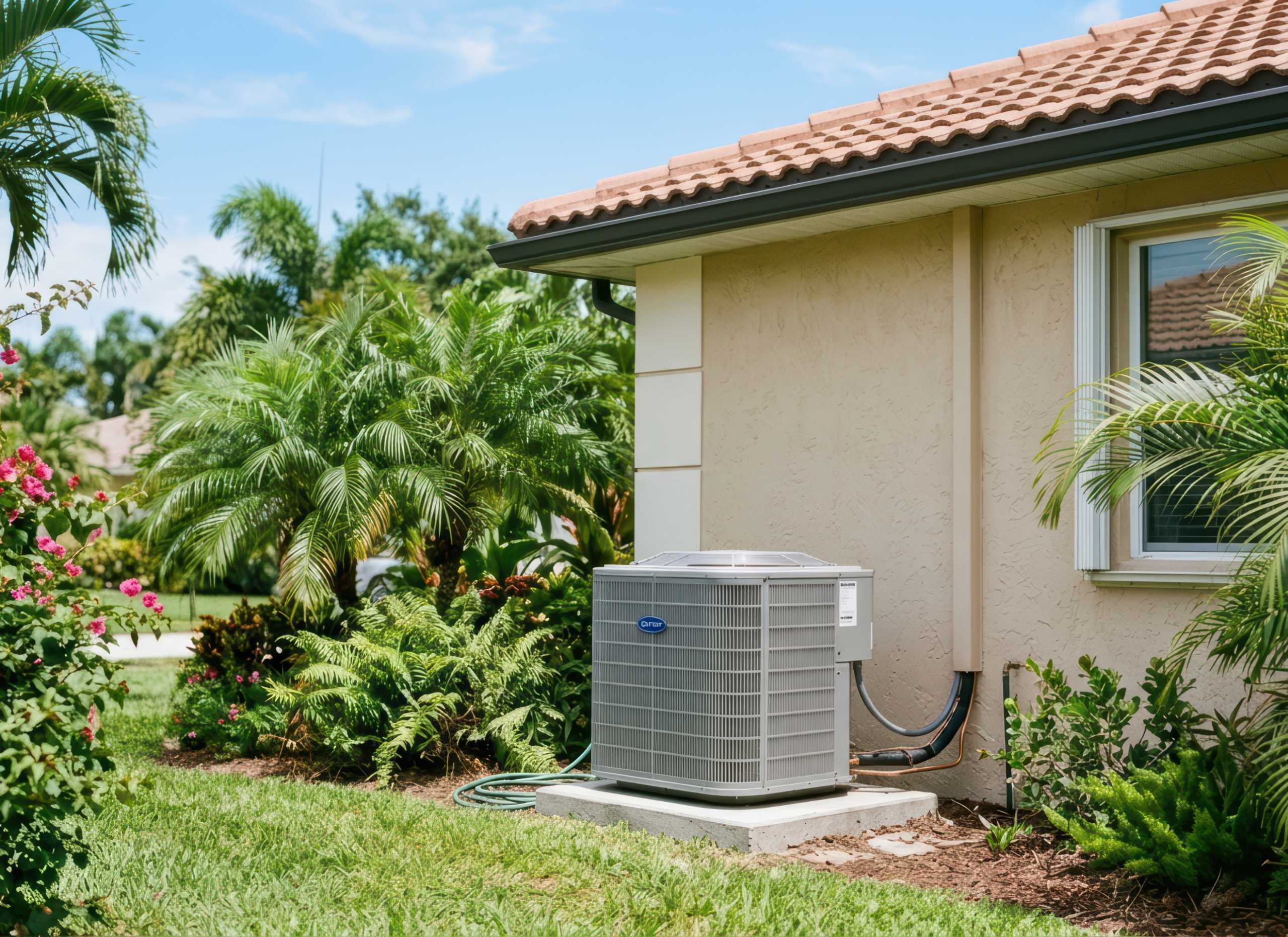
Every spring, thousands of snowbirds close up their Florida homes and head north. The house sits quiet for months while heat and humidity keep working on the building. Without a plan, the air conditioner can become one of the first systems to suffer. Good HVAC maintenance for seasonal homes is mostly about preparation before you leave, light monitoring while you are away, and a careful restart when you return.
This guide covers what snowbirds should do at each stage of maintaining AC Systems in Florida homes. It also explains how to judge when a job needs a professional. At One Way Air, our team sees the same patterns every year in seasonal properties across Florida, and most of them can be prevented with a short checklist and a regular maintenance schedule.
Why Seasonal Homes Need a Different AC Approach
A full-time resident notices problems quickly. A strange noise, a warm room or a damp smell prompts a phone call within days. A seasonal home has no one to notice, so small faults can run for weeks before anyone sees them.
Florida’s climate adds to the risk. Outdoor humidity stays high for most of the year, and an empty house can hold moisture if the air conditioner is switched off completely. Mold on walls, musty furniture and warped wood trim are common results. A clogged condensate drain can also overflow and soak a ceiling or closet floor without anyone knowing.
For these reasons, Florida AC maintenance for a seasonal home should focus on three goals:
- Keep indoor humidity under control while the house is empty.
- Prevent water damage from the condensate system.
- Make sure the system is clean and ready to run hard when you arrive.
Preparing Your AC Before You Leave Florida
The weeks before departure are the best time to act. A system that is clean and checked before a long idle period is far less likely to fail in your absence.
Do Not Turn the System Off
The most common mistake is switching the air conditioner off to save electricity. In Florida, that usually backfires. Without cooling and dehumidification, indoor humidity can climb quickly, and mold can begin to grow in a closed house.
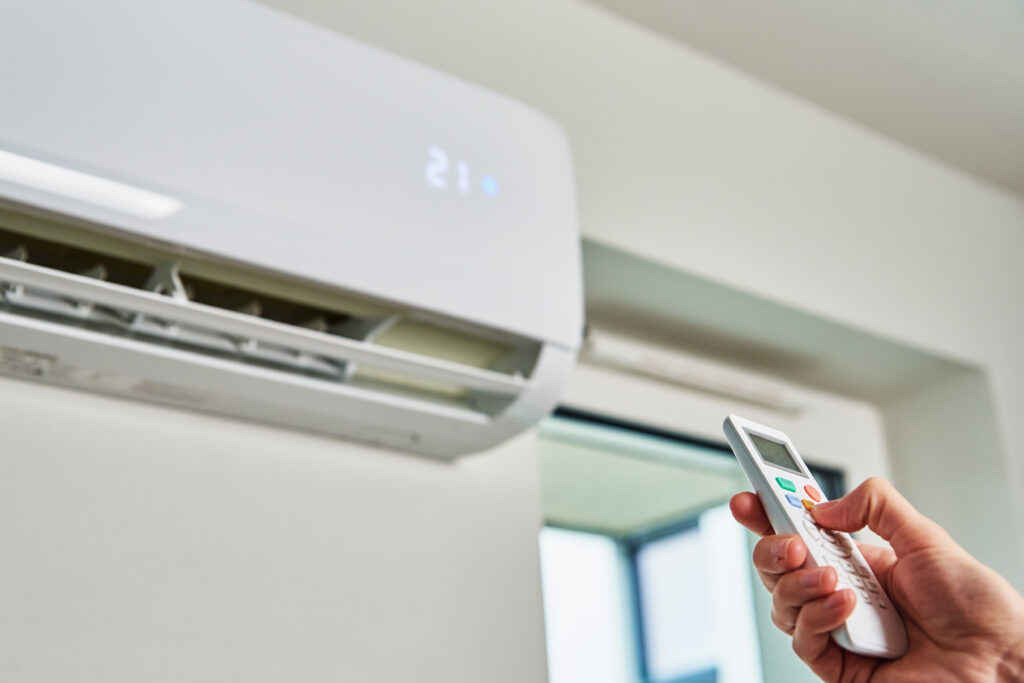
A better approach is to set the thermostat to a higher temperature, often in the range of 80 to 85 degrees Fahrenheit. The system still cycles on to remove moisture, but it uses far less energy than it would at a normal setting. Many snowbirds use a smart thermostat so they can adjust the setting remotely.
Replace the Air Filter
A fresh filter helps the system move air properly and keeps dust from building up on the evaporator coil. Install a new filter before you leave and write the date on the frame. If the house will be empty for several months, a technician can advise whether a mid-season filter change is worth arranging through a trusted neighbor or property manager.
Check the Condensate Drain Line
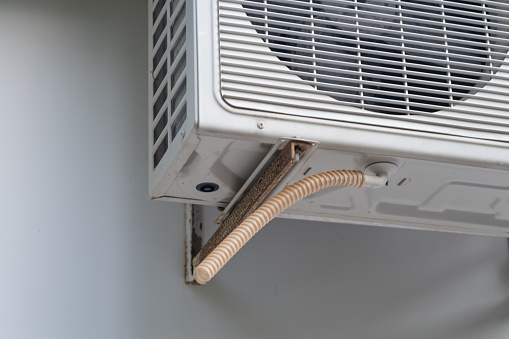
Air conditioners remove water from the air, and that water leaves the house through a drain line. In Florida, algae and sludge can build up in this line and block it. A blockage can trigger a safety switch that shuts the system down, or it can cause an overflow into the drain pan and beyond.
Having the drain line cleared and the float switch tested before you leave is one of the most valuable steps in seasonal AC care. It addresses the problem that most often causes water damage in vacant homes.
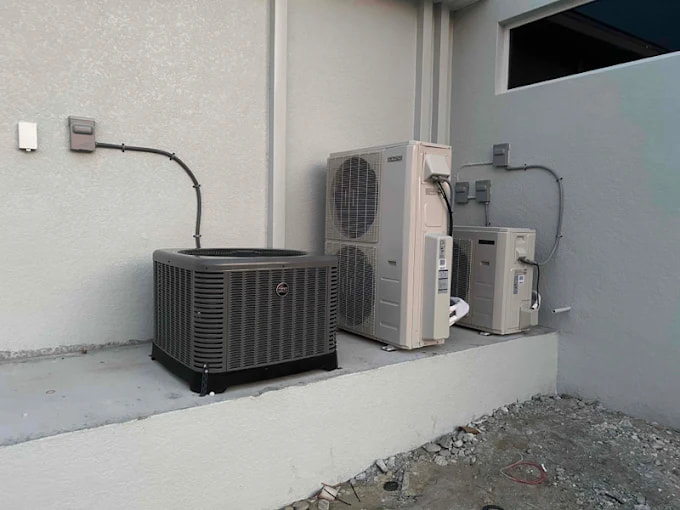
Inspect the Outdoor Unit
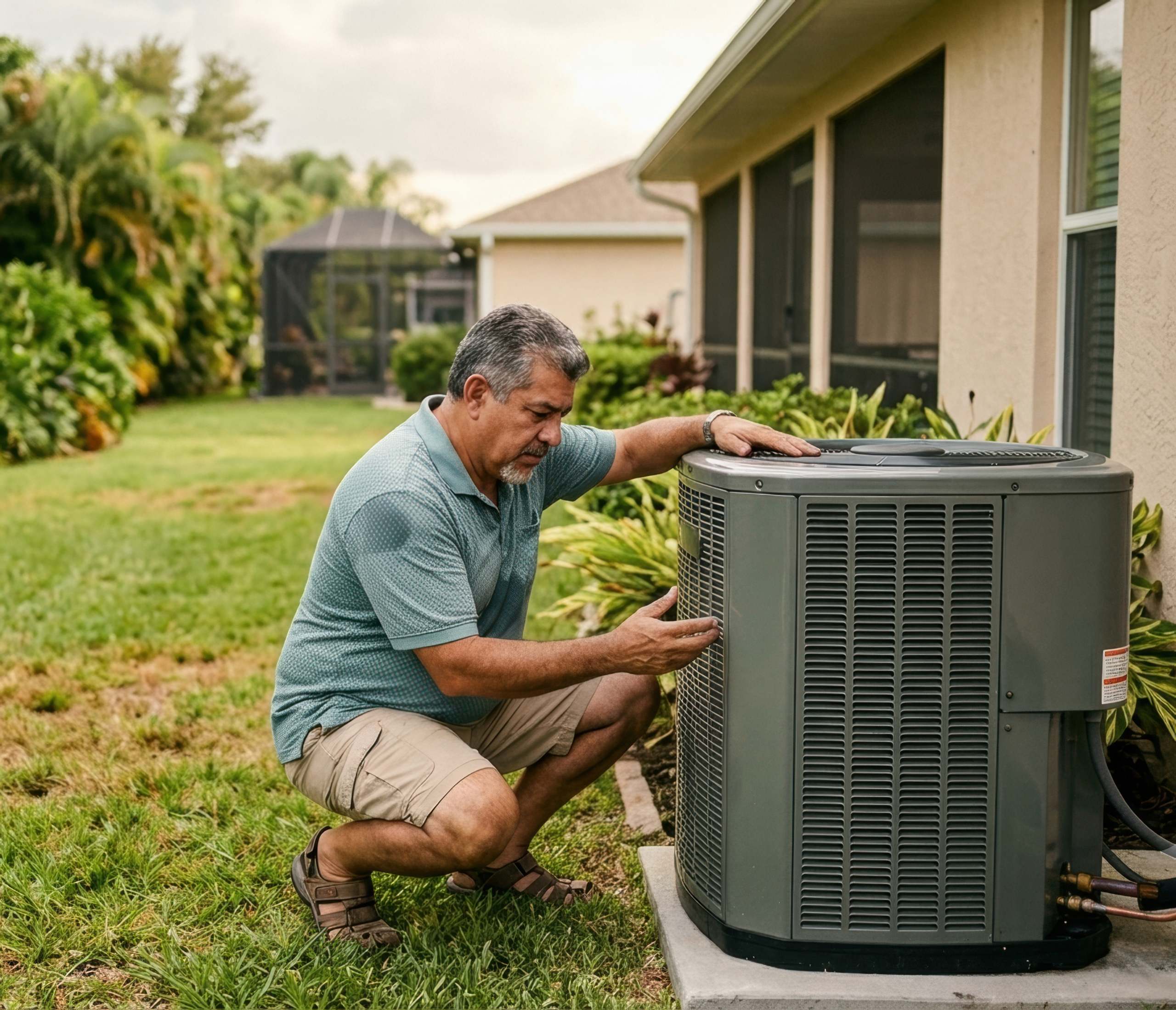
Walk around the condenser and look for debris, overgrown plants and standing water. Trim shrubs so air can move freely around the unit, and clear leaves and dirt from the base. If you expect storms while you are away, ask your service provider about securing the unit and checking that the electrical disconnect is in good condition.
Schedule a Professional Pre-Departure Visit
A trained technician can check refrigerant pressure, electrical connections, capacitors, the blower motor and the coils. Catching a worn part in April is much easier than discovering it in a house that has been warm for six weeks. If you want a clear picture of what this visit covers, this overview of what annual AC maintenance includeswalks through the typical inspection steps and why each one matters.
Keeping an Eye on the System While You Are Away
You do not need to be present to stay informed. A few simple tools reduce the chance of a surprise.
- Smart thermostat or monitor: Many models send alerts if indoor temperature or humidity moves outside a range you set.
- Water leak sensors: Small sensors placed near the air handler and drain pan can warn you of an overflow early.
- A local contact: A neighbor, property manager or house watch service can check the home every few weeks and confirm the system is running.
- A secondary drain pan switch: Many systems include one, and a technician can confirm it works.
If an alert comes in, avoid waiting until your return. A small leak or a stalled system is a quick service call when caught early and a costly restoration project when it is not.
Returning in the Fall: A Careful Restart
When you come back, resist the urge to simply set the thermostat to a low number and walk away. A system that has run at a high setpoint for months deserves a brief inspection first.
- Check the air filter and replace it if it looks dusty or discolored.
- Look at the ceiling and floor around the air handler for stains or dampness.
- Listen for unusual sounds when the system starts, such as rattling, clicking or grinding.
- Lower the thermostat gradually over a day or two rather than forcing a large drop at once.
- Confirm that every vent is open and delivers steady airflow.
If anything seems off, contact an air conditioning company in Florida that offers a maintenance service for seasonal homes. A technician can test the system before a small fault turns into a failure during a warm stretch in the fall.
Choosing the Right HVAC Company in Florida for Seasonal Properties
Not every provider is set up for the needs of part-time residents. When comparing an HVAC company in Florida, it helps to ask a few practical questions:
- Is the company properly licensed for air conditioning work in Florida?
- Does it offer scheduled maintenance rather than only emergency repairs?
- Can it coordinate access with a property manager or neighbor when you are out of state?
- Does it explain findings clearly and provide written notes after each visit?
One Way Air is an air conditioning company serving homeowners in Fort Myers, Tampa, Orlando and Fort Lauderdale. The company provides AC maintenance, repairs, installations and indoor air quality services, and it offers emergency service for urgent breakdowns. For snowbirds, the useful part is continuity: the same team can handle the pre-departure visit, the return check and any repair that comes up in between.
The table below summarizes a practical seasonal schedule that many homeowners find workable.
Seasonal AC Maintenance Schedule for Snowbirds
| Timing | Task | Purpose |
|---|---|---|
| 4 to 6 weeks before leaving | Professional inspection and system cleaning | Find worn parts and restore efficiency before the idle period |
| 1 to 2 weeks before leaving | Replace filter, clear drain line, test float switch | Reduce the risk of leaks and overflow |
| Day of departure | Set thermostat to 80 to 85 degrees, confirm remote alerts work | Control humidity while using less energy |
| Every 3 to 4 weeks while away | Local contact checks the home and system | Catch leaks, warm rooms or alerts early |
| Arrival day | Visual check, new filter if needed, gradual cooldown | Avoid stressing the system on restart |
| First 2 weeks after arrival | Review airflow, humidity and noises | Spot developing issues before heavy use |
Treat this as a starting point. The right timing depends on the age of the system, the size of the home and how long you are away.
Managing Humidity in an Empty Home
Humidity is the quiet threat in a seasonal Florida property. Air conditioners cool the air, but they also act as dehumidifiers, and that second job matters more than most owners realize when the house is closed up.
Indoor relative humidity is generally recommended to stay below 60 percent, with a range of 30 to 50 percent considered ideal for comfort and mold prevention. If your thermostat or monitor shows readings above that range for long periods, your setpoint may be too high, or the system may not be removing moisture properly. This explanation of the ideal indoor humidity level in Floridacovers the numbers and the warning signs in more detail.
A few habits help:
- Keep interior doors open so air circulates through the whole house.
- Run bathroom and kitchen exhaust fans before you leave to clear moisture.
- Avoid leaving wet towels or damp items in closed spaces.
- Consider a whole-home dehumidifier if readings stay high even with a working air conditioner.
If you notice a musty smell on arrival, do not ignore it. It can point to a dirty coil, a drain issue or hidden moisture, and each of those is easier to fix early.
Getting the System Ready for Summer Heat
Some snowbirds stay into the early summer, and others return just as temperatures climb. In either case, the system faces its hardest work during the hottest months. A seasonal home often has less maintenance history, so a thorough check before peak heat is wise.
A tune-up typically includes cleaning the coils, checking refrigerant levels, testing electrical components, inspecting the blower and verifying that the thermostat reads accurately. A detailed look at what an AC tune-up includes before Florida’s summer heatcan help you understand what to expect and which items deserve the most attention in an older system.
Homeowners who rely on scheduled visits often find it easier to plan around travel, because the service dates are set months ahead and fit into the same calendar as the move north and south.
Common Mistakes Snowbirds Make With AC Systems
- Turning the system completely off during long absences.
- Setting the thermostat too low while away, which wastes energy without helping.
- Skipping the drain line check, which is the most common cause of water damage in vacant homes.
- Using the same filter all year, even though airflow needs change with the season.
- Waiting for a failure before booking service, which is often when companies are busiest.
- Assuming a newer system needs no care, when manufacturers usually require regular maintenance to keep warranties valid.
Avoiding these errors does more to protect a seasonal home than any single upgrade.
Conclusion
Maintaining an air conditioner in a part-time Florida home comes down to steady habits. Keep the system running at a sensible setpoint, clear the drain line before you leave, watch humidity and check the equipment carefully when you return. Consistent HVAC maintenance for seasonal homes protects the building, controls costs and avoids unpleasant surprises at the start of the season.
If you want help planning a schedule that fits your travel dates, One Way Air can work with you on seasonal AC care across its Florida service areas. Contact with our team to arrange a maintenance visit or to ask questions about your system.
Frequently Asked Questions
Generally no. Turning the system off allows humidity to rise, which can lead to mold and damage to furniture, flooring and walls. Setting the thermostat to a higher temperature, such as 80 to 85 degrees Fahrenheit, keeps moisture in check while limiting energy use.
Many homeowners schedule at least one professional visit per year, ideally before leaving for the season. Systems that run heavily or are older may benefit from a second visit before the return. A technician can recommend a schedule based on the equipment and usage.
Water damage from a clogged condensate drain is one of the most common problems, along with humidity buildup. Both are largely preventable through a pre-departure drain check and a steady thermostat setting.
Yes. A smart thermostat lets you monitor indoor temperature and, on many models, humidity from anywhere. Alerts can warn you when conditions drift outside your chosen range, which helps you act before damage occurs.
Look for a licensed air conditioning company in Florida with experience in part-time residences. Ask whether it offers scheduled maintenance, can work with a property manager and provides written reports after each visit.
Inspect the filter, look for water stains near the air handler, listen for unusual sounds at startup and lower the thermostat gradually. If something looks or sounds wrong, have a technician inspect the system before relying on it.